2026-09-09
Can you use your AI photos and videos commercially?
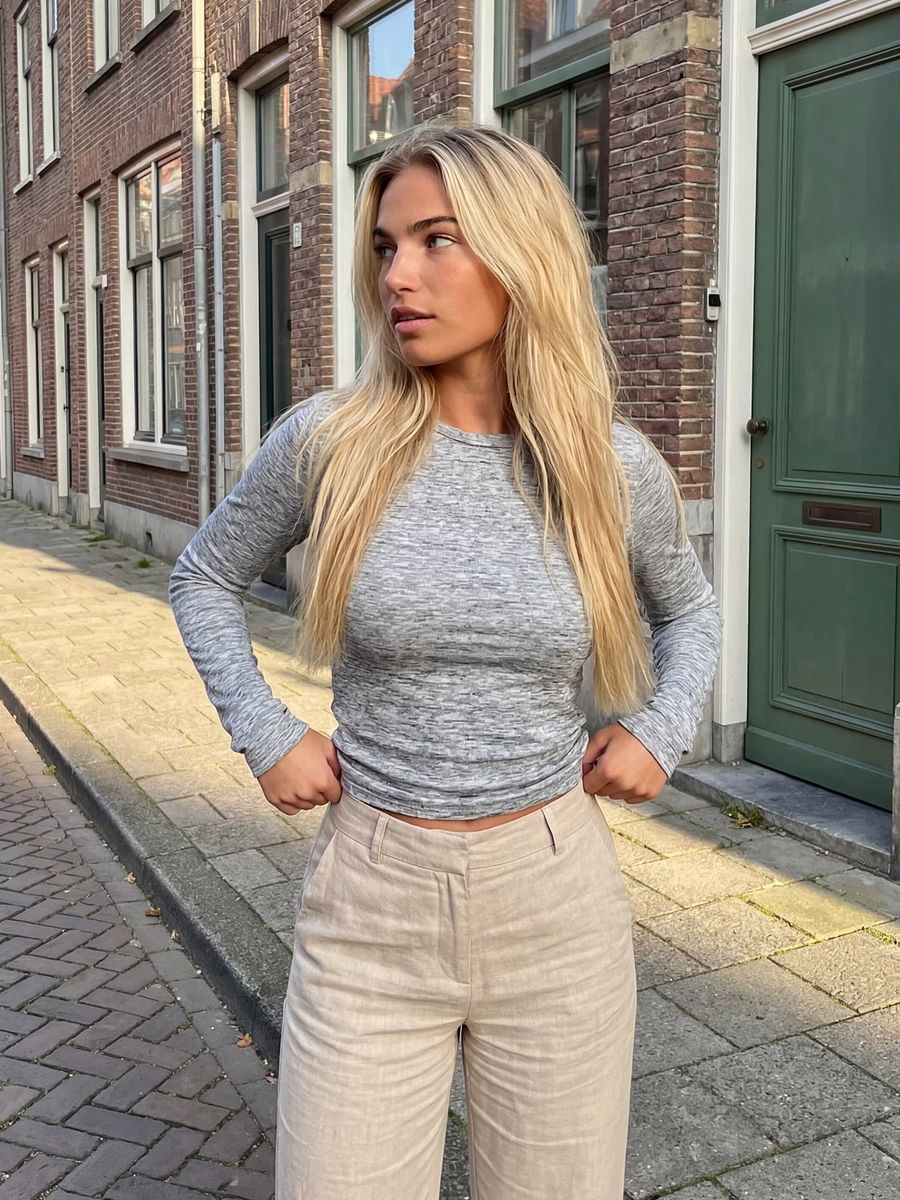
Yes, in most cases you can use AI photos and videos commercially, but "being allowed to use" is not the same as "owning": according to the U.S. Copyright Office, work generated entirely by AI gets no copyright, because there is no human author behind it. For you, that mainly means you can publish and sell your images, but you usually can't stop others from using a near-identical image. Below is how usage rights and copyright relate, and what to check before you publish.
Note: this is general information, not legal advice. Rules differ per country and per platform, so when in doubt, check your tool's terms or ask a lawyer.
Can you use AI content for business?
Usually yes, as long as your tool's terms allow it. Most generators that let you pay per use or per render grant you the right to use the output commercially: in ads, on your site, in your webshop or on social. Those usage rights are in the terms you accept, so read them through once.
Watch the difference with free plans. Some free or freemium tools exclude commercial use or add a watermark to the output. When you pay per render, the image is almost always meant to be used, but the exact rights live in the license, not in the marketing.
Who actually owns an AI image?
An image made purely by AI has no copyright author in the U.S. and many other countries. The U.S. Copyright Office confirmed this in the second part of its report on AI and copyright (29 January 2025): work generated entirely by an AI system is not protected by copyright, because copyright requires human authorship. Typing a prompt, however detailed, does not count as authorship on its own.
That has a practical consequence. Without copyright you have no exclusivity: you can use your image, but you can't stop someone else from using the same or a near-identical one.
Usage rights and copyright are not the same
A usage right is your tool's permission to use the output. Copyright is the exclusive right to decide who may copy and distribute a work. You can have the first without the second.
- Your tool gives you a usage right: you may publish, sell and adapt.
- Pure AI work has no copyright: you have no exclusive claim.
- Add your own creative choices, such as editing, arranging or combining with your own photos or text, and that human part can be protected.
That last point matches the same report: using AI as a tool within your own creative process, for example to edit or arrange an image, does not automatically make the whole thing unprotectable.
What to check before you publish
Run through these points and your rights are usually in order:
- Read your tool's license. It states whether commercial use is allowed and whether there are limits.
- Only upload source material you have the rights to. If you use an existing photo as a reference or for image-to-image, make sure you're allowed to use that photo.
- Avoid recognisable brands, logos and real people. A copied logo or the face of a real person can touch someone else's rights (trademark, likeness), separate from the copyright on your image.
- If you want to claim anything yourself, add demonstrable human input: selecting, editing, arranging.
- Be honest about AI. Under the EU AI Act, transparency rules apply from 2 August 2026: AI-generated content must be recognisable, for example through a label or a machine-readable mark. That is a separate obligation and says nothing about who owns the image.
For most creators the takeaway is reassuring: you can use your AI photos and videos for business without a problem. Just don't count on having a monopoly on them.
Frequently asked questions
Can I use AI photos in my webshop or ads?
Usually yes, as long as your tool's terms allow commercial use and you don't imitate protected brands or real people. Read the license and keep your source material clean.
Can I claim copyright on an AI image?
On a purely AI-generated image, usually not. Add demonstrable creative choices of your own, such as editing, arranging or combining, and that human part can be protected, according to the U.S. Copyright Office.
Who owns the image if someone uses the exact same prompt?
No one exclusively. Without copyright, neither of you holds an exclusive right, so you can't stop the other from using a similar image.
Do I have to state that something was made with AI?
From 2 August 2026 the EU AI Act requires transparency about AI content. So label AI content clearly; that's separate from whether you may use it commercially.
Rights clear, time to create. Create an account, top up credit and pay only per render.