2026-07-10
Upscaling AI images: when it helps and when it doesn't
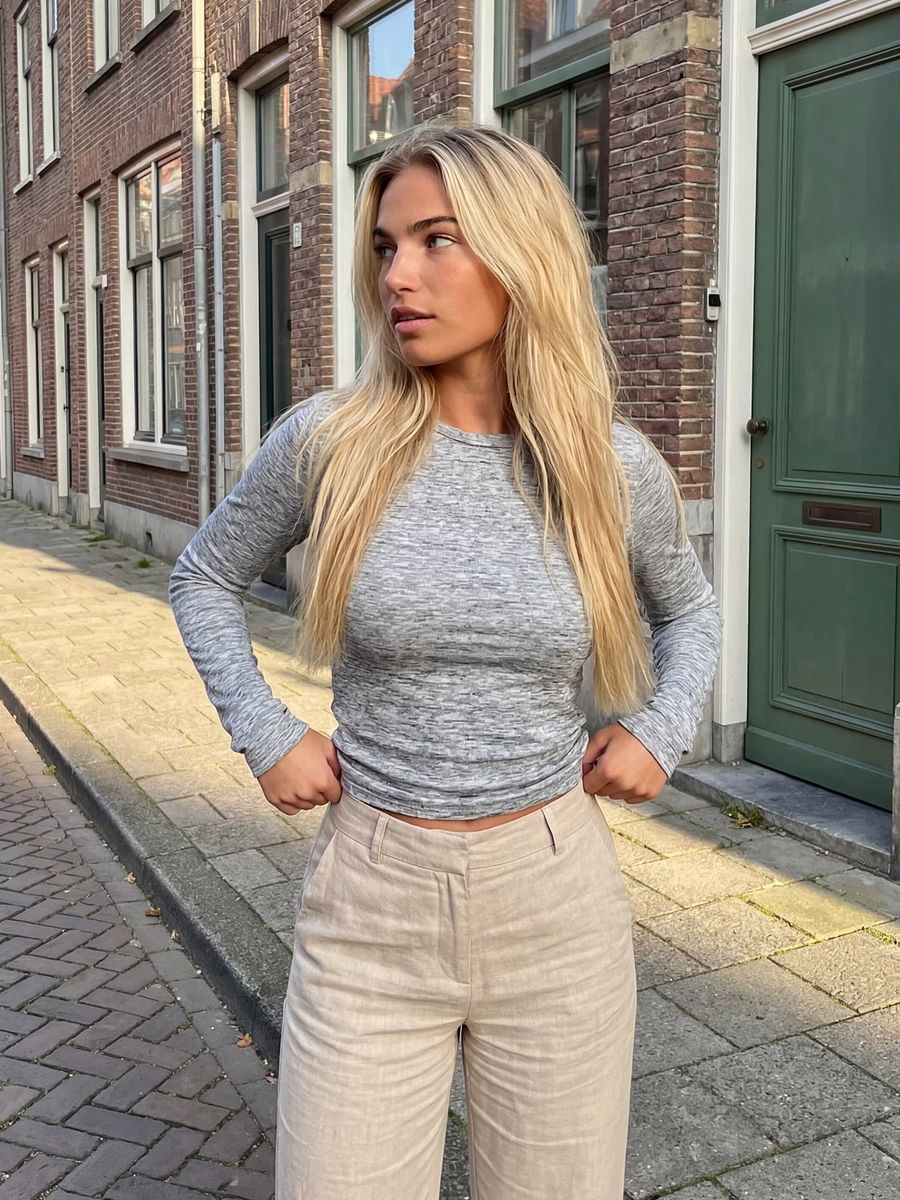
Upscaling only pays off when your end use needs more pixels than your source image has, such as print or a large display. For a social post that gets scaled back down to a maximum of 1080 pixels wide anyway, upscaling is usually pointless. Below you'll read when extra resolution makes a difference and when it just burns credit.
What does upscaling actually do?
Upscaling is an AI edit that enlarges an image and invents new detail based on what the model has learned. Instead of simply stretching pixels (interpolation, which blurs edges), an upscaler reconstructs plausible texture: how a skin pore, a fabric or a hairline looks up close.
Important: that detail is an informed guess, not recovered reality. On familiar textures like fabric and skin it's convincing, but on fine text or an unusual pattern an upscaler can get it wrong.
When upscaling pays off
Upscaling earns its keep as soon as your end use needs sharp detail at a large size:
- Print. The standard for sharp prints is 300 pixels per inch. A photo that's 1080 pixels wide prints sharp at only about 9 centimetres wide at 300 PPI; a poster needs far more pixels. Large prints viewed from a distance can drop to around 150 PPI.
- Big screens and 4K. A 4K image is 3840 by 2160 pixels, over 8 megapixels. 8K is four times that again. A small source looks soft on a screen like that; upscaling brings it up to the right size.
- E-commerce with zoom. Shoppers zoom in on product and detail photos. More pixels means the image stays sharp when they do.
- Old or small sources. A small but genuinely sharp photo that you need larger is exactly where AI upscaling makes the biggest difference.
When upscaling is pointless
For most social content, upscaling adds nothing, because the platform scales your image back down anyway. Instagram keeps feed photos at a maximum of 1080 pixels wide and compresses anything larger. Upscaling a Reel or feed post to 4K means the platform undoes that work immediately. You've spent credit for no visible result.
Upscaling also can't fix a blurry or soft source. An upscaler can't bring back detail that isn't in the original; it just enlarges the softness cleanly. Fix motion blur or a bad shot at the source, not afterwards.
Smarter: generate at the right size from the start
Often the best post-processing is none at all. Decide up front where your image will end up and generate at that resolution straight away with the photo generator, which delivers up to 4K. That saves you an extra edit and so an extra render. Since you pay per render, one step fewer is one cost less.
Do you have an existing image that needs to be bigger? Then reach for the image upscaler for photos or the video upscaler for clips. With video, pay extra attention to temporal consistency, so the image stays stable between frames instead of shimmering.
Frequently asked questions
Can upscaling make a blurry photo sharp?
Only so far. An AI upscaler reconstructs plausible detail, but it can't recover sharpness that isn't in the source. It helps with mild softness; it won't fix real motion blur.
What resolution do I need for print?
Aim for 300 pixels per inch for sharp prints viewed up close. Large prints viewed from a distance still look sharp at around 150 PPI, so they need fewer pixels than you'd expect.
Should I upscale for Instagram or TikTok?
Usually not. These platforms display and store images at around 1080 pixels wide and compress the rest, so extra resolution is lost.
What's the difference between upscaling and just enlarging?
Just enlarging (interpolation) spreads existing pixels across a bigger area and blurs in the process. AI upscaling invents new, fitting detail, so edges and texture stay sharper.
Not sure whether your image is big enough? Start small: generate at the size you need and only upscale when your end use genuinely calls for it. Create an account and try it out.