2026-07-13
A strong hook in the first 3 seconds of your AI video
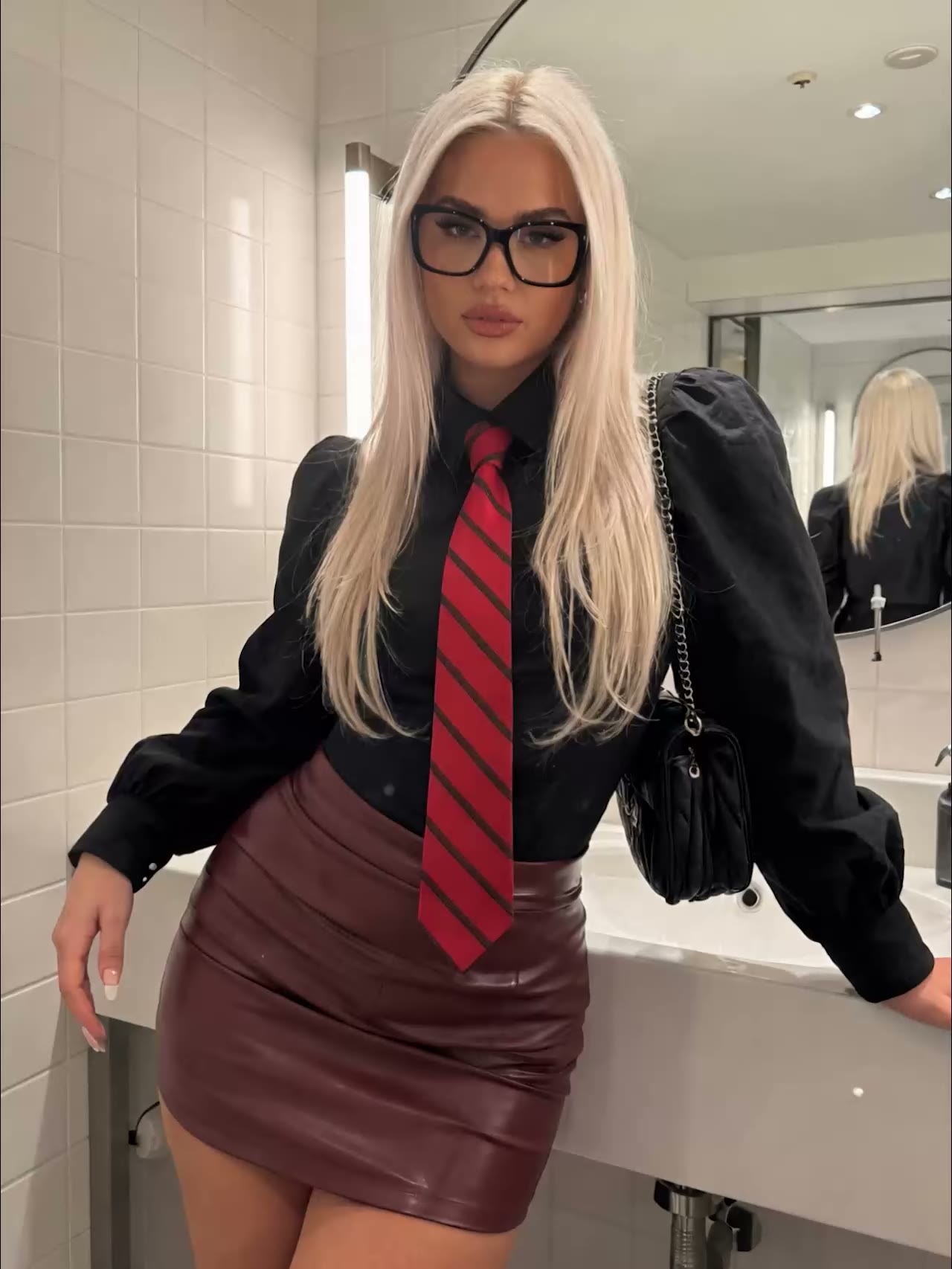
A strong hook is the opening moment of your video that immediately shows what the viewer is in for, so they keep watching instead of scrolling on. On social video that decision happens almost instantly: according to figures from Facebook, 65% of people who watch the first three seconds go on to watch for at least ten seconds, and 45% stay for thirty (figures from Facebook, via Buffer). Lose those first seconds and you lose the rest of the video.
Below is how to build that hook into your AI video, from your opening frame to your prompt.
Why the first 3 seconds decide
The first seconds don't just decide whether one viewer stays, but also whether the platform distributes your video more widely. Reels, TikTok and Shorts first show your clip to a small test group and watch how many people keep viewing. If that group drops off right away, distribution stops there.
That makes the opening the most consequential part of your video. TikTok for Business notes that 63% of the videos with the highest click-through grab their viewers within the first three seconds. So you're not making that opening for the million, but for the first few hundred viewers who decide whether the million ever get to see it.
Start mid-action, not at the run-up
The fastest win is in cutting: drop the run-up and start at the strongest moment. A logo intro, a slow zoom or a calm establishing shot cost you exactly the seconds in which the viewer decides.
- Put your most striking image or movement as the very first frame.
- Show the payoff before you explain it: reveal the result first, the build-up after.
- Avoid stillness at the start. An image that moves right away holds the eye.
For AI video this means putting the moment of change up front: the jump, the look at the camera, the environment that just lights up. Not the ten seconds before it.
Put the hook in your opening frame
With image-to-video your opening frame is literally your hook, because it's the first thing the viewer sees. A strong opening frame has a clear subject, contrast and one thing that pulls attention: a face with expression, a striking color or a scene that raises a question.
Get that frame right first in the photo generator and then bring it to life in the video generator. That way you decide how your video opens, instead of leaving it to chance. In your prompt for that opening frame, describe the subject, the emotion and the composition, so the first frame already reads like a cover you'd want to click.
Four hook types you can steer in a prompt
A hook doesn't have to be a trick. Four types work reliably, and you can steer all four in your prompt:
- Strong image: a striking scene, color or location in the first frame. Describe a concrete, visually rich opening shot instead of a neutral one.
- Immediate motion: let the camera or the subject move right away. Name a fast camera move or an action that's already underway as the clip begins.
- Promise or question: show, in the image or through short text, what the viewer is going to get. A question or promise in the first second gives a reason to stay.
- Pattern interrupt: something unexpected that doesn't fit the feed. An odd composition or an illogical combination makes the thumb slow down.
Don't combine too many at once. One clear hook works better than three fighting for attention.
Test your hook without burning your budget
Your first hook is rarely your best, so test a few. Because you pay per render and top up your own balance, you can cheaply vary just the opening: generate a few short openings, compare which one lands fastest, and only then extend or render the winner's full video.
Stuck on an opening line or on-screen text? Use the prompt generator to come up with variants. It pays to treat your first three seconds separately: that's the stretch where most viewers drop off, and so the stretch where iterating pays off most.
Frequently asked questions
How long should a hook be?
Count on the first three seconds, and ideally the very first frame already lands. The hook isn't a separate scene but the way your video opens. Make sure the viewer has a reason to stay within that time.
Does a hook work without text on screen?
Yes. A strong image or immediate motion can hold attention just as well as a written promise. On-screen text mainly helps when people watch on mute, but a visual hook works without words.
Where do I put the hook if I use image-to-video?
In your opening frame. With image-to-video the first frame is exactly what the viewer sees first, so that frame has to be your hook. Make it striking before you set it in motion.
Ready to make your first three seconds actually count? Create an account and build your hook right into the opening frame.