2026-09-17
Prepare Your Reference Photo Before You Upload It
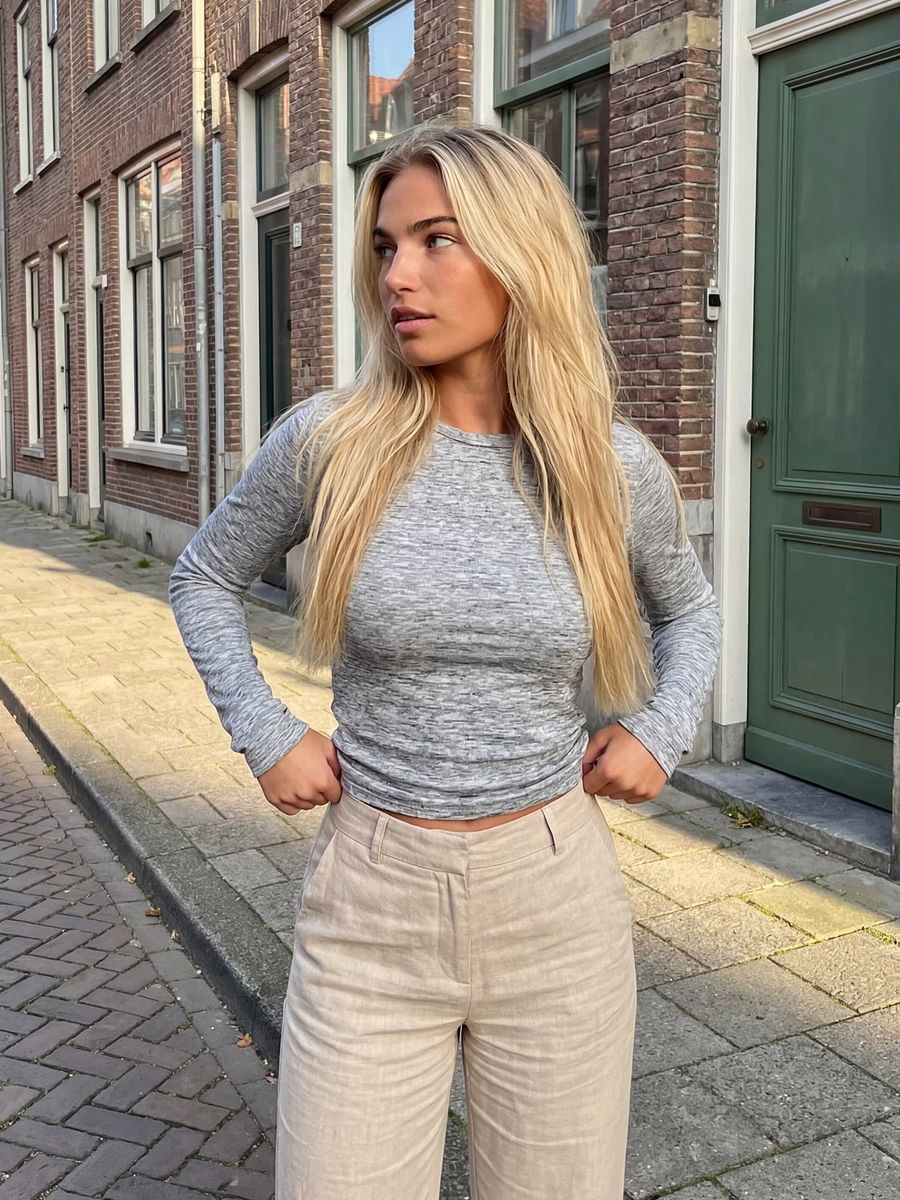
Prepare your reference photo by cropping it tight to your subject, making sure the light is sharp and even, and supplying the highest resolution you can. One well-prepared source gives a better and more consistent result than three messy images.
With image-to-image and face swap, your input largely decides your output. An AI model amplifies whatever is in your source: if it is sharp and clean, that carries through to the result; if it is small, dark or cluttered, you will see that just as clearly. A few minutes of prep therefore saves you renders.
Why one strong source beats three weak ones
A model does not correct a weak reference, it adopts it. Upload three mediocre photos hoping the average turns out fine, and you often get a vaguer result instead. The model tries to reconcile conflicting signals (different light, a different angle, different quality) and loses detail in the process.
So pick one image that does everything well. Only add a second when it gives genuinely new, non-conflicting information, such as a different camera angle or an extra expression.
Give the model a sharp, well-lit face
Make sure the subject sits large, sharp and evenly lit in the frame. For reliable face recognition, the international standard ISO/IEC 19794-5 calls for at least about 90 pixels between the eyes, and preferably 120. Give your AI tool that same comfort: a face that sits small or blurry in the photo simply provides less identity to work with.
- Avoid motion blur and heavy noise.
- Use soft, even light without hard cast shadows across the face.
- Avoid heavy filters, a strong color cast or caked-on make-up that distorts the features.
Crop to your subject and clean up the background
Crop your reference tightly around what matters and keep the background calm. A busy setting leaks in: the model can pick up colors, objects or textures from the background that you never intended.
- Crop away what is irrelevant, but leave enough context, such as the shoulders in a portrait.
- Keep one clear subject in frame. Multiple faces or competing objects make the source ambiguous.
- Make sure the face is not partly covered by a hand, hair or sunglasses when you are steering on identity.
Match your reference to what you want to make
Make your source resemble your end goal as closely as possible in framing and pose. If your source aspect ratio differs a lot from your output, the image can stretch or get cropped awkwardly. So crop your reference to the ratio you plan to generate beforehand.
Also think about what you want to keep and what may change. In Swap Studio, for example, you choose how much of the original you hold on to, from the face only to a full swap. The more clearly your source shows the one thing that matters, the more precisely the model works.
A quick checklist for every upload
- Is the subject sharp and large enough in the frame?
- Is the light even, without hard shadow or color cast?
- Is the background calm and the subject clear?
- Does the aspect ratio roughly match your output?
- Is the resolution high enough? If not, upscale the photo first.
Ready? Upload your source in the photo generator, or for a face swap, in AI Face Swap.
Frequently asked questions
Is one good reference photo enough?
Often, yes. One sharp, well-lit source usually works better than several mediocre ones. Only add a second image when it brings new, non-conflicting information, like a different angle or an extra expression.
My best photo is small or blurry, what now?
Low resolution does not get repaired, it gets amplified. Shoot a new, sharper photo if you can, or upscale your photo before you use it as a source.
Does my reference need the same aspect ratio as my output?
It helps. Big differences in aspect ratio lead to stretching or an awkward crop. Crop your source to the ratio you are going to generate beforehand.
Prep is the cheapest part of your workflow and saves you the most renders. Start with one strong source, and the rest of your prompt does the work.
Ready to try it? Create an account and upload your first, well-prepared reference.