2026-09-12
Portrait rights and real people in AI content
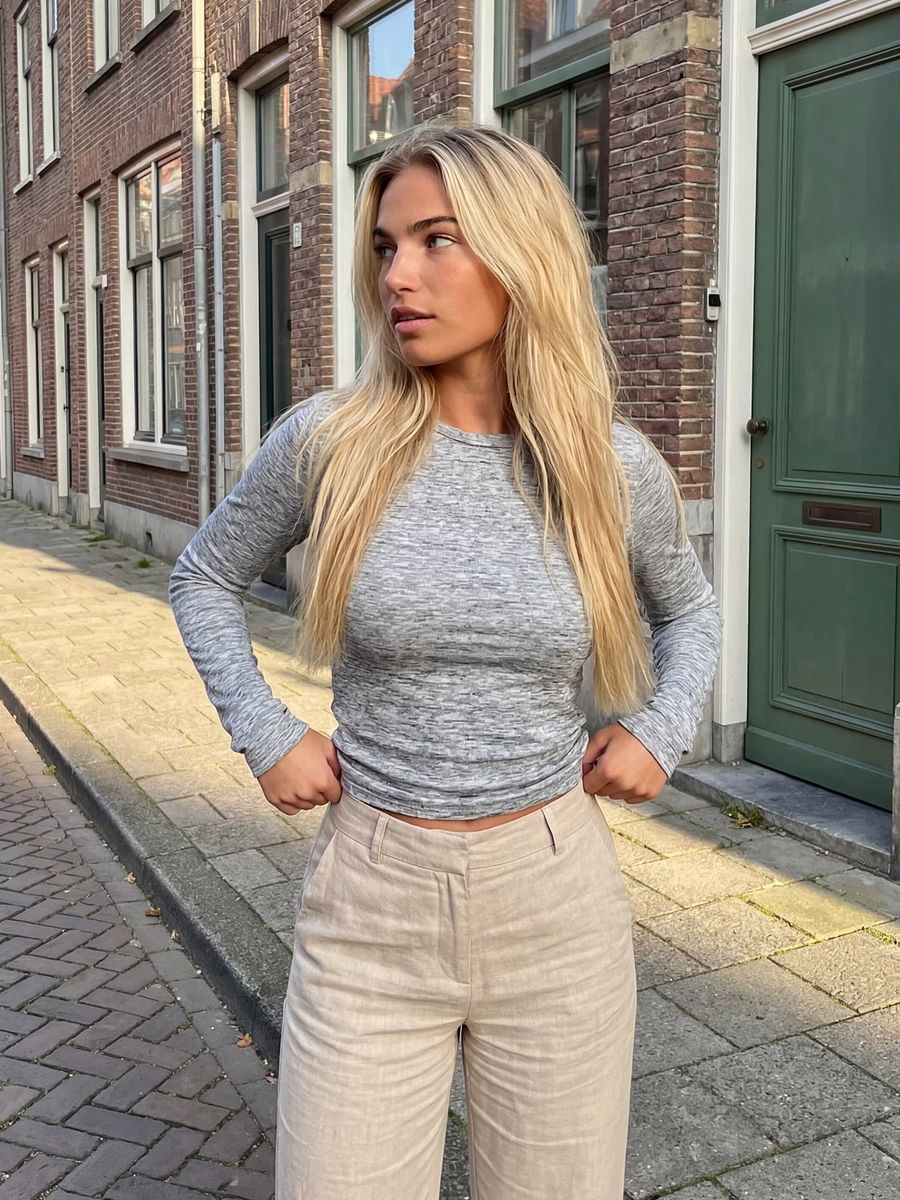
Recreating a real, recognizable person in AI content is not something you can do freely: a real person's face, voice and likeness are protected, and you are far better off with a fictional persona you own. If you want to build an AI influencer or a campaign image, create your own character instead of imitating a celebrity, a colleague or a stranger from the internet. This article is general and not legal advice.
Can you recreate a real person in AI content?
No, not without consent. In the Netherlands, portrait rights (Article 21 of the Copyright Act) let someone object to the publication of their portrait if they have a "reasonable interest" in doing so. That interest can be privacy, but also a commercial one: well-known people get a say in whether their face is used for promotion.
An AI-generated face that clearly resembles a real person falls under this in practice too. On top of that comes European regulation: from 2 August 2026, the AI Act (Article 50) requires you to clearly label deepfakes, meaning AI image, audio or video that resembles a real person or a real event, as artificial. Breaches can run up to 15 million euros or 3% of worldwide annual turnover.
The reason this matters has grown fast. In 2023 there were already around 95,820 deepfake videos online, over 550% more than in 2019 (Home Security Heroes, State of Deepfakes). Regulators are responding, and the pattern is clear: the more recognizable the real person, the more consent and transparency you need.
Why a fictional persona is both safer and stronger
A fictional persona is a character that does not exist: a face, name and style you invented and locked in yourself. Because there is no real person behind it, your content does not clash with anyone's portrait or publicity rights, and you can use the images commercially without restriction.
It is also stronger for your brand. Your persona is yours, you can develop it consistently for years, and no one can revoke its use later. "Borrowing" a real face looks quicker, but gives you no certainty about tomorrow.
How to keep a fictional persona recognizable without copying a real face
Recognition comes from fixed building blocks, not from one famous face. Lock in a set of traits and reuse them on every render:
- A consistent face reference you generated yourself, with a fixed name and a short backstory.
- Recurring style choices: hairstyle, color palette, clothing line and a recognizable setting.
- One fixed reference set that you feed every time into the photo generator and the video generator.
Do not feed the model a photo of a famous or existing person as a reference. If you still end up with a face that happens to look a lot like someone, generate again and adjust the traits so your persona clearly has a face of its own.
When you do use a real face
A real face is fine, but only with that person's consent, and preferably in writing. That applies to yourself, a model you hire or a client who agrees. So use face swap with images you have permission for, not with a random photo from the internet.
Also label the result honestly as AI when it resembles a real person. That will not only be required under the AI Act, it also keeps viewers from feeling misled.
This direction is visible worldwide. In the US, the ELVIS Act in Tennessee (in force since 1 July 2024) explicitly protects a person's voice as well as their face against AI copies, and in 2025 Denmark worked on a law that gives everyone a copyright-style right over their own face and voice. The room to simply imitate a real person is shrinking, not growing.
Frequently asked questions
Can I recreate a celebrity for a joke or parody?
Be careful. Even in humor, a well-known person can have a reasonable interest, especially if it looks like they are endorsing a product. Your own character is almost always the safer choice.
Do portrait rights apply even if it's "just" AI?
Yes, it is about recognizability, not the technique. If the image clearly resembles a real person, their rights come into play, even if it was made entirely by AI.
Can I use my own face for an AI persona?
Yes. Using your own face is fine, and it is a great way to build a consistent, recognizable persona. Keep your source images and track which references you used.
Do I always have to label AI content?
If the image resembles a real person or a real event (a deepfake), assume so, certainly from 2 August 2026 in the EU. For a clearly fictional persona an honest AI label is good practice, but less strictly regulated.
Want to get started safely with your own recognizable persona? Create an account and build your first fictional character with your own reference set.