2026-08-25
From an Idea to a Sharp Prompt With a Generator
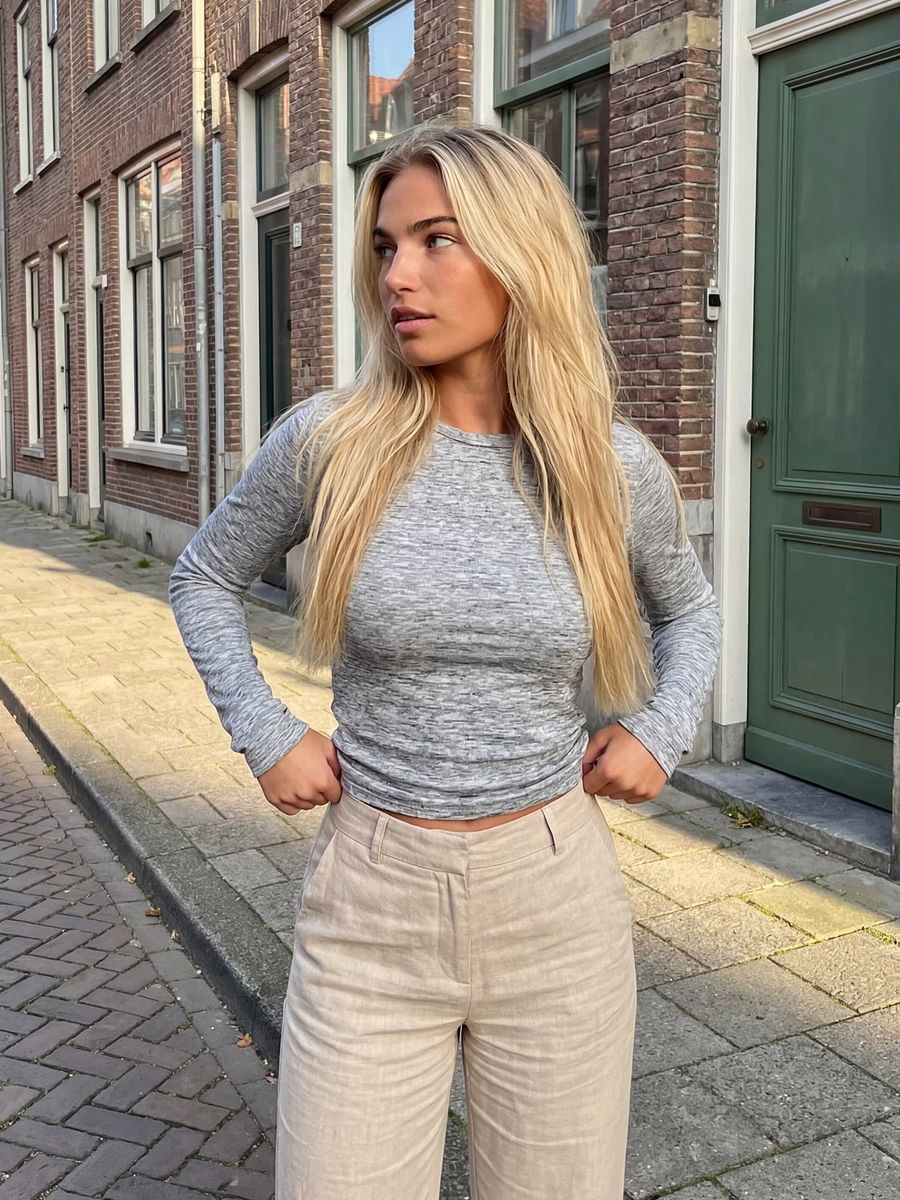
A prompt generator turns your plain-language idea into a structured prompt with scene, lighting, pose and composition, so you don't have to type a wall of text yourself and you reach a usable image in fewer renders. Instead of hunting for exactly the right words, you describe what you have in mind and let the tool handle the translation into model language.
What is a prompt generator?
A prompt generator is a tool that expands your short description into a full prompt that an image or video model can read well. You supply the idea; the tool fills in the parts you tend to forget.
A strong prompt has fixed building blocks: subject, action, setting, light, camera angle and style. If you type only "woman on a street," the model guesses the rest. A generator makes those choices explicit, so you steer instead of gamble.
Why a detailed prompt beats a single sentence
Detailed prompts produce better images, and that behavior is baked into the large models themselves. Since 2023, OpenAI's DALL·E 3 has GPT-4 automatically rewrite every prompt into a detailed description before the image is made, because "very detailed prompts give significantly better results" (per the OpenAI documentation). In a 2024 Google study, human raters consistently preferred these expanded prompts over short queries, with a win-rate above 0.52 on aesthetics.
In other words: the expansion happens either way, whether you steer it or not. A prompt generator moves that step to your side of the screen, where you can read and adjust it, instead of a model filling it in invisibly for you.
From idea to prompt in four steps
- Describe your idea in plain language: what the subject is, the mood you want, and what the image is for.
- Let the generator fill in scene, lighting, pose and composition into a complete prompt.
- Read the prompt back and adjust individual words: swapping one term (say "evening" for "golden hour") often changes the whole image.
- Generate in the photo generator or video generator, and use the same prompt as the base for your variants.
This approach works with the AI Prompt Generator: you describe your idea, and out comes a ready-to-use prompt with scene, outfit, pose, lighting and camera angle.
What you keep steering yourself
A generator takes over the typing, not the direction. So always read the generated prompt on three points: is the subject right, are the key attributes (color, clothing, age) captured well, and does the most important element come first?
That order matters: image models weigh the first words most heavily. If the generator pushes your main subject toward the back, move it up front by hand. That way you keep the power of a detailed prompt without losing control.
Because AI Formule charges per render, adjusting is cheap: you generate a variant, read off what works and tweak your prompt, without a fixed monthly fee ticking along.
A whole content series in one go
A prompt generator isn't only useful for a single image. You can use it to set up a coherent series: several prompts around the same theme, with the same persona and style, but across varying scenes.
That is exactly what you need for a consistent feed. Instead of reinventing every post, you generate a set of prompts in one session and then work through them one by one. Generating prompts costs a fraction of a render, so experimenting feels almost free.
Frequently asked questions
Does a prompt generator replace learning to prompt yourself?
No. You actually see how a good prompt is built, which terms the model uses, and in what order. Many creators use the generator as a starting point and refine from there themselves.
Does a generated prompt work for both photo and video?
Mostly, but video needs extra terms for motion and camera movement. Add what moves and how the camera follows to a photo prompt before you use it in the video generator.
How much detail is too much?
Enough that the core gets lost. Image models only read a limited number of words heavily, so put your subject and key attributes up front and use the rest as dressing, not as the main event.
A good prompt is the difference between ten renders and two. Have your idea turned into a sharp prompt and see straight away what the model makes of it. Create an account and try it with your own idea.