2026-09-02
Optimize AI images for a fast website
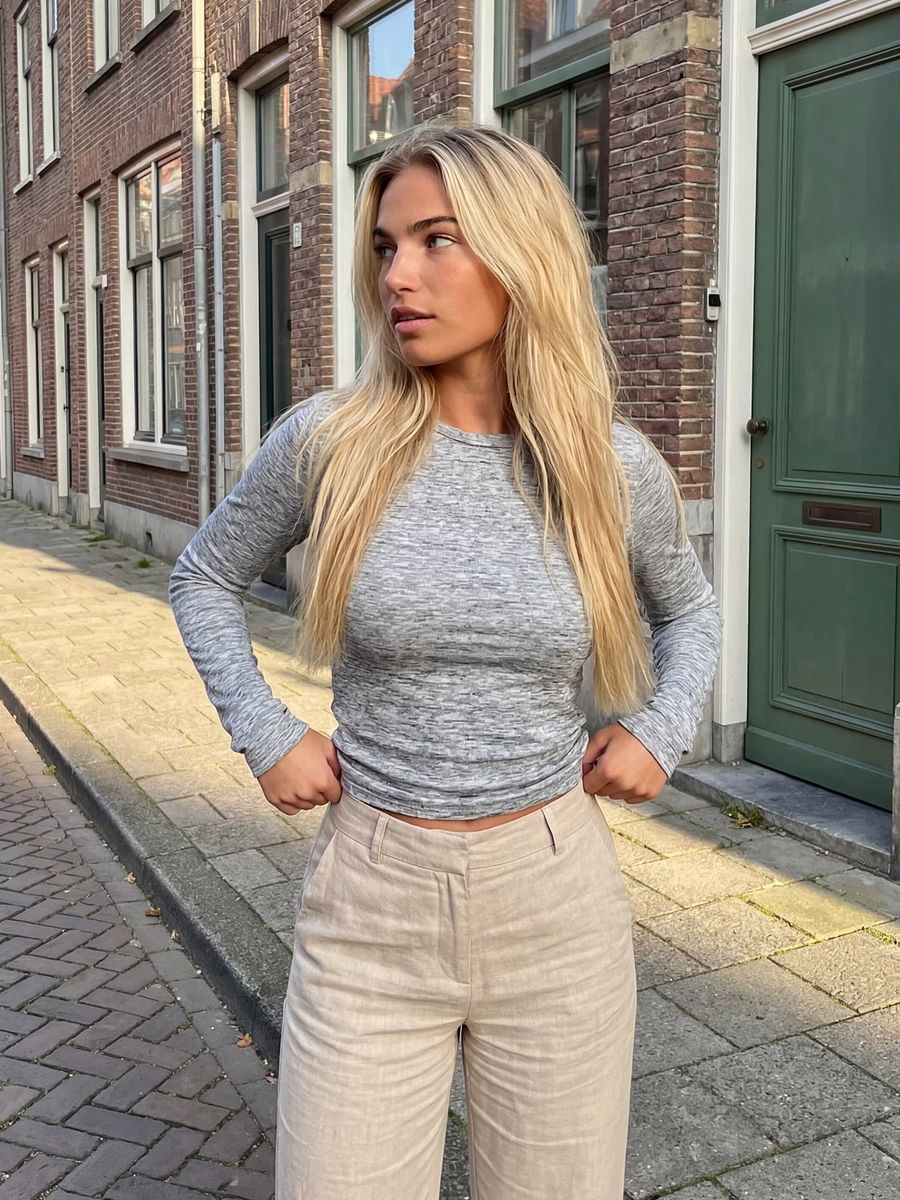
Scale your AI image down to the size it is actually shown at, compress it to WebP or AVIF, and never upload a 4K render where 1600 pixels will do. That keeps the load time of your largest image (its Largest Contentful Paint) under the 2.5 seconds Google calls "good". An AI generator often hands you a big, uncompressed file. Publish it untouched and your visitor pays the bill in waiting time.
Why is an AI render so heavy?
A full-resolution AI image is usually far larger than your page needs. A 4K render is nearly 8.3 million pixels, while your product or hero image is displayed at a fraction of that on most screens. You don't see those extra pixels, but your visitor still downloads them.
Images are also often the slowest element on your page. According to HTTP Archive's Web Almanac 2024, an image is the Largest Contentful Paint element (the one that sets the measured load time) on 68% of mobile pages. Your hero or product photo often decides whether your page feels fast or slow.
What pixel size do you actually need?
Pick the pixel size from how large the image is displayed, not from the maximum the generator can output. Uploading an image wider than the slot it sits in is wasted download.
Practical guidelines:
- Hero or full-width image: roughly 1600 to 2000 pixels wide.
- Product or feed image: roughly 800 to 1200 pixels.
- Small thumbnail: 400 to 600 pixels.
- Sharp (retina) screens: plan for about twice the display size, no more.
Better still, generate closer to the size you need from the start. In the photo generator you choose the resolution and aspect ratio yourself, so you don't have to render at 4K by default and scale back afterwards.
WebP or AVIF: which format do you pick?
Save your web image as WebP or AVIF; both are much lighter than JPEG at the same quality. According to Google's compression study, WebP files are on average 25% to 34% smaller than JPEG at equal image quality. AVIF goes a step further and is usually smaller still.
Rule of thumb: use WebP as your safe default, since almost every browser supports it. Choose AVIF when you want to squeeze out the last few kilobytes and can serve a JPEG or WebP fallback. Keep PNG only for images with hard edges or transparency, not for photos.
How do you compress without visible loss?
Compress at a quality around 75 to 82; below that the eye often still sees nothing, but the file shrinks a lot. Test it on a detailed part of your image, such as skin or a gradient, because that is where artefacts show up first.
Watch out for these:
- Strip metadata you don't need; it saves kilobytes and keeps your export clean.
- Don't upscale to 8K only to compress the image small again. That spends credit for nothing. Upscaling pays off only when you genuinely need a larger native size, for example for print, and then you use the upscaler deliberately.
- Generate, scale and compress in that order, so you never keep an oversized file as your source.
What do you set up in your site itself?
Let the browser pick the right size per screen, and load images that aren't in view yet only when they are needed. A few changes do most of the work:
- Use responsive images (srcset and sizes) so a phone gets a smaller file than a wide screen.
- Turn on lazy loading for images below the fold so they don't load immediately.
- Give every image a fixed width and height so your page doesn't shift while loading.
- Load your most important image (the hero) with priority instead, since it's usually your LCP element.
Do this and your Largest Contentful Paint stays under 2.5 seconds, and your site feels faster right away.
Frequently asked questions
Should I generate my AI image at 4K?
Only if you actually use that resolution, for example for print or a large screen. For the web, generate or scale to the size the image is displayed at and compress afterwards; a smaller file loads faster without visible quality loss.
Is WebP or AVIF better for my site?
WebP is the safe default with broad support and is 25% to 34% smaller than JPEG. AVIF is usually smaller still, but serve a fallback for older browsers. For photos, both beat JPEG and PNG.
Do I lose quality by compressing?
Not visibly, if you compress smartly. Around quality 75 to 82 you usually see no difference, while the file gets a lot smaller. Check a detailed part of the image to be sure.
Why does image load time weigh so heavily?
Because on most pages an image is the largest, slowest element: on 68% of mobile pages an image is the Largest Contentful Paint element. Fast images therefore almost always mean a faster page.
Want to make AI images you can publish at the right size straight away? Create an account and pick the resolution that fits your page when you generate.