2026-09-06
Build a Moodboard and Reference Set for AI Content
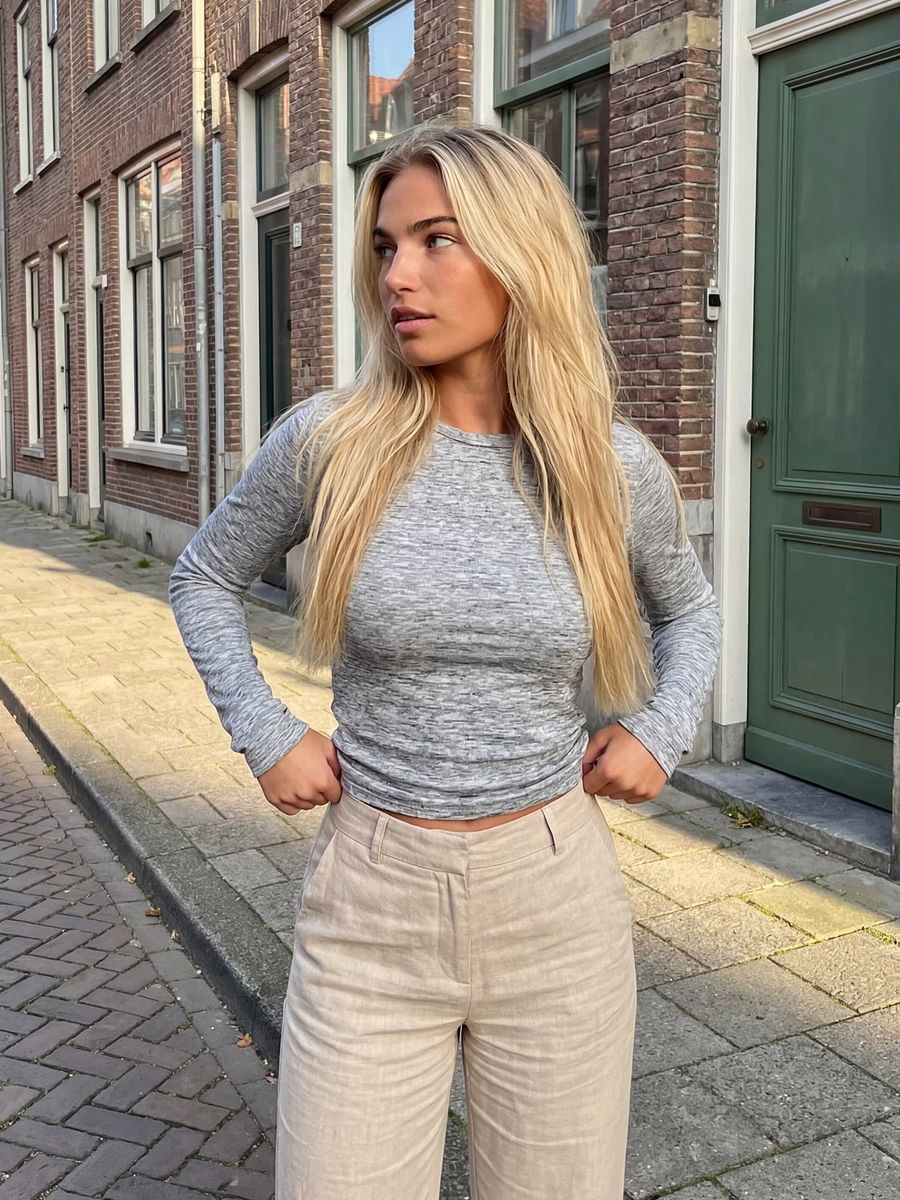
A moodboard for AI content is a compact collection of reference images, colours and examples that captures the look, mood and identity before you generate a single frame. It sounds like a detour, but it actually saves you renders: the clearer you are up front about what you want to see, the fewer attempts it takes to get there. When you pay per render, half an hour of prep pays for itself fast.
What exactly is a moodboard for AI content?
A moodboard is an organised selection of examples that together show your direction: face, clothing, light, colour, setting and camera style. For AI content it's more than inspiration. Your reference images often become your literal input, for example in image-to-image work or for a persona that has to look the same in every photo.
Research on moodboards in design (Warburg et al., 2021, via the Interaction Design Foundation) shows they get the maker and the client on the same page and reduce guesswork. That same effect works for yourself: you lock in your own choices before the model fills them in for you.
Why a moodboard saves you renders
The biggest gain is less trial and error. Without direction you generate an image, it's not quite right, and you tweak your prompt ten times. With a moodboard you start close to the goal.
- Your prompt gets more concrete, because you know exactly which mood, colour and composition you want.
- Your content stays consistent, which is crucial for a recognisable persona or brand.
- You only pay for renders that land closer to your goal, instead of blind attempts.
What goes into your reference set?
Pick one or two strong examples per element, not twenty vague ones. A good set covers:
- Face or persona: a sharp, evenly lit reference.
- Outfit and styling: the clothing, colours and materials that should recur.
- Light and colour: one image that captures the mood (warm, cool, high-key or cinematic).
- Setting: the environment or location your subject sits in.
- Camera and composition: an example of framing, angle and depth of field.
Note briefly why each image is in there. That way you'll know later which element you want to take from which reference.
From moodboard to image: the workflow
- Gather your references and decide on the throughline: the two or three things that absolutely have to be right.
- Turn that direction into a structured prompt with the AI Prompt Generator, so scene, light and composition are baked in from the start.
- Generate using your reference as input via image-to-image in the AI Photo Generator.
- Building a persona? Combine a face photo with an outfit or scene reference in Swap Studio.
- Save the approved images. They become your fixed reference set for the next batch.
How many references are enough?
Keep your set small and focused. According to Google's documentation for its Nano Banana image models, they hold the likeness best with a limited number of reference images: the Gemini 3 Pro Image model works with up to six reference images at high fidelity. Throwing in more images doesn't improve the result, it dilutes the model's attention.
The rule of thumb: one strong anchor per attribute (face, outfit, light) beats a pile of loose pictures. Clarity wins over quantity.
Frequently asked questions
What's the difference between a moodboard and a reference set?
A moodboard captures the mood and direction, think inspiration, colour and feel. A reference set is the selection of images you actually use as input when generating. In practice, one grows out of the other.
How many reference images should I use?
Usually a handful, not dozens. Google's Nano Banana models hold high fidelity up to around six reference images. Pick one strong example per attribute rather than many similar ones.
Do I need a moodboard for a single one-off photo?
For a one-off photo, a quick direction is enough. A full moodboard pays off mostly when you're building a series or a consistent persona, where the same look has to keep coming back.
A moodboard takes a little time up front, but it earns you sharper prompts, more consistent content and fewer wasted renders. Create an account and turn your first reference set into images.