2026-07-24
How an AI model reads your prompt, and how to write it
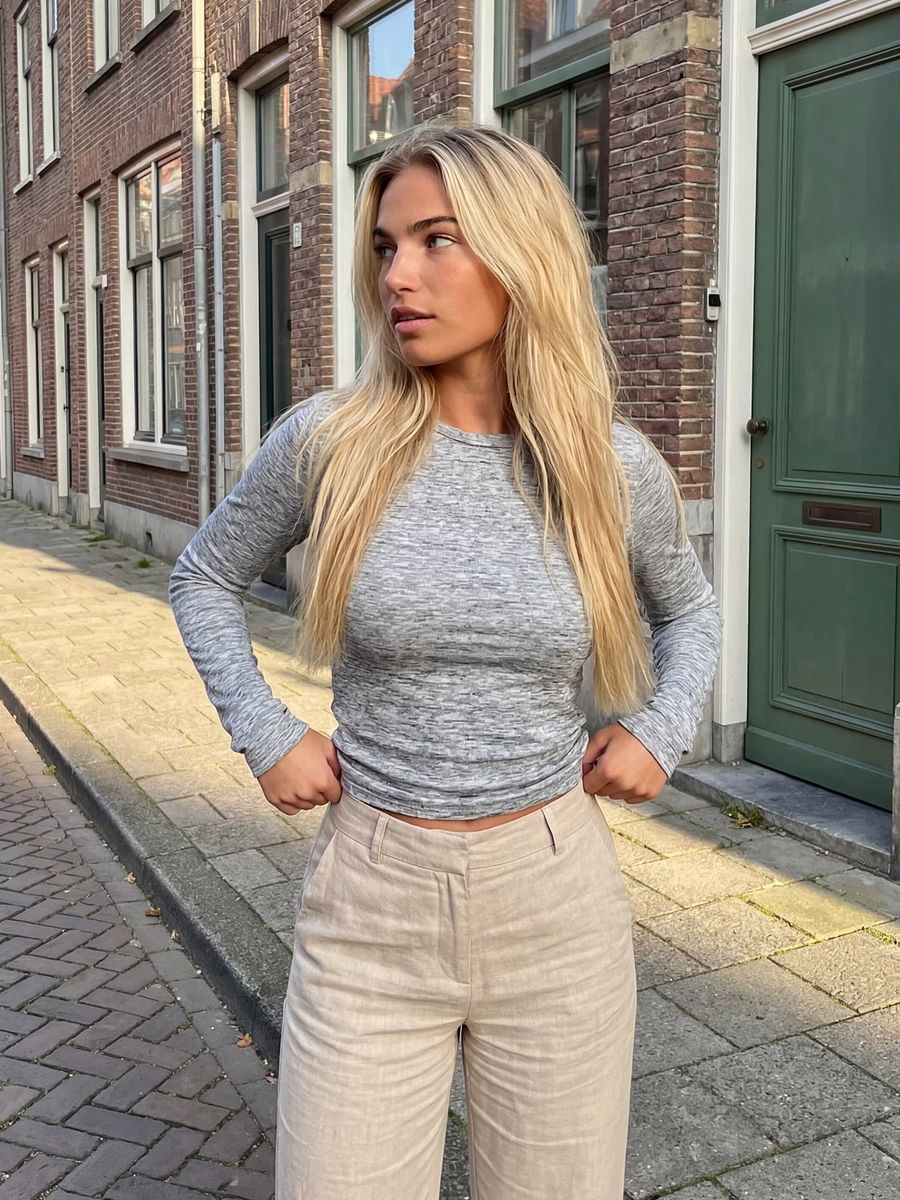
An AI image model doesn't read your prompt as an English sentence, but as a series of tokens: small pieces of text it converts into visual concepts it learned to recognise during training. Grammar, punctuation and the sentence as you meant it matter less than you'd think. Knowing how that translation works changes how you write straight away, and explains why two near-identical prompts sometimes produce very different images.
What is a token, and why does it matter?
A token is a small piece of text, usually a word or part of a word, and the model processes your prompt token by token. That count has an upper limit. The CLIP text encoder used by many older models (Stable Diffusion 1.5, SDXL) processes at most 77 tokens, roughly 60 words. Anything after that is truncated and simply doesn't count (Hugging Face).
Newer models expanded that room considerably. FLUX and Stable Diffusion 3 add a second encoder (T5) that reads up to 512 tokens (Hugging Face), and models like DALL·E 3 were trained to follow long, descriptive text. The models at AI Formule, such as Nano Banana Pro and Seedream 4.5, belong to that newer generation. The limit differs per model, then, but it always exists: at some point the model stops reading your final sentences.
Does a model read whole sentences or loose concepts?
That depends on the generation. Older, CLIP-based models read your prompt mainly as a collection of loose concepts, not as a grammatical sentence. Word order has an effect, but "a woman without a hat" and "a woman with a hat" sit dangerously close together for such a model: it picks up the concept "hat" and barely processes the negation. That is why negative prompts exist as a separate field.
Newer models are trained on long, descriptive captions and therefore follow full sentences and relationships far better: "the red bag on the chair, not on the table" lands as intended. Because the models at AI Formule belong to that newer generation, natural, descriptive language works better here than a string of loose keywords.
Put the most important thing first
Start your prompt with the subject and the traits that can't be missing, and only then the mood and details. There are two reasons for this. On models with a token limit, everything past the boundary drops away, so you don't want your subject at the end. And even on models without a tight limit, the image builds around what it reads first.
Concretely: write "Portrait of a woman with red curly hair, green eyes, in a denim jacket, on a rainy street at night" instead of three sentences of atmosphere first and only naming who is in frame at the very end. Same words, different order, and a noticeably more reliable result.
Why longer isn't always better
More words don't automatically make a prompt better, and sometimes make it worse. Past the token limit, text is ignored, and even within it your key message gets diluted if you stack ten near-synonyms.
- Concrete beats vague. A model maps words to images it has seen. "Cinematic" or "nice light" is almost meaningless to the model; "shallow depth of field, warm backlight, soft shadows" points to concepts it can actually draw.
- One idea per piece. Split your prompt into short, clear chunks (subject, clothing, location, light, camera) instead of one long winding sentence. That reads better for human and model alike, and you spot faster which block to adjust.
How to build a prompt
A workable prompt follows a fixed structure. Four steps that make the biggest difference:
- Subject and core traits first: who or what, with the details that genuinely have to be right.
- Then the context: clothing or props, location, light, camera and mood, each in a short block.
- Concrete terms over vague adjectives: name the light, the lens and the material.
- Stay within what the model reads: shorter and sharper beats long and vague.
Not sure how to phrase something? Let the prompt generator write a structured prompt and then tweak it to taste, ready for the photo generator or the video generator.
Frequently asked questions
How many words can an AI prompt be?
It varies per model. Older CLIP models cut off after 77 tokens, around 60 words; newer models read hundreds of words. Either way, keep your most important information up front, so nothing essential ever drops away.
Should I write in full sentences or in keywords?
On the newer models AI Formule uses, natural, descriptive sentences work best. A string of loose keywords works too, but you steer relationships less precisely, such as who stands where or what sits on what.
Why does the model sometimes ignore part of my prompt?
Usually because it fell past the token limit, or because you stacked too many concepts into one prompt. Put the most important thing first, cut near-synonyms, and split an overloaded prompt into shorter blocks.
Does repeating a word help for emphasis?
Sometimes a little, but it's a blunt tool. You're better off choosing a more concrete word or moving the concept to the front; repetition mainly fills your token space without much gain.
Prompting gets easier once you know you're writing for the model, not for a reader. Create an account and test the same scene with a short and a detailed prompt; you'll see straight away what the model does and doesn't pick up. You pay per render, no subscription, so experimenting only costs you a few cheap tests.