2026-07-15
Focal length in AI photos: 24mm or 85mm?
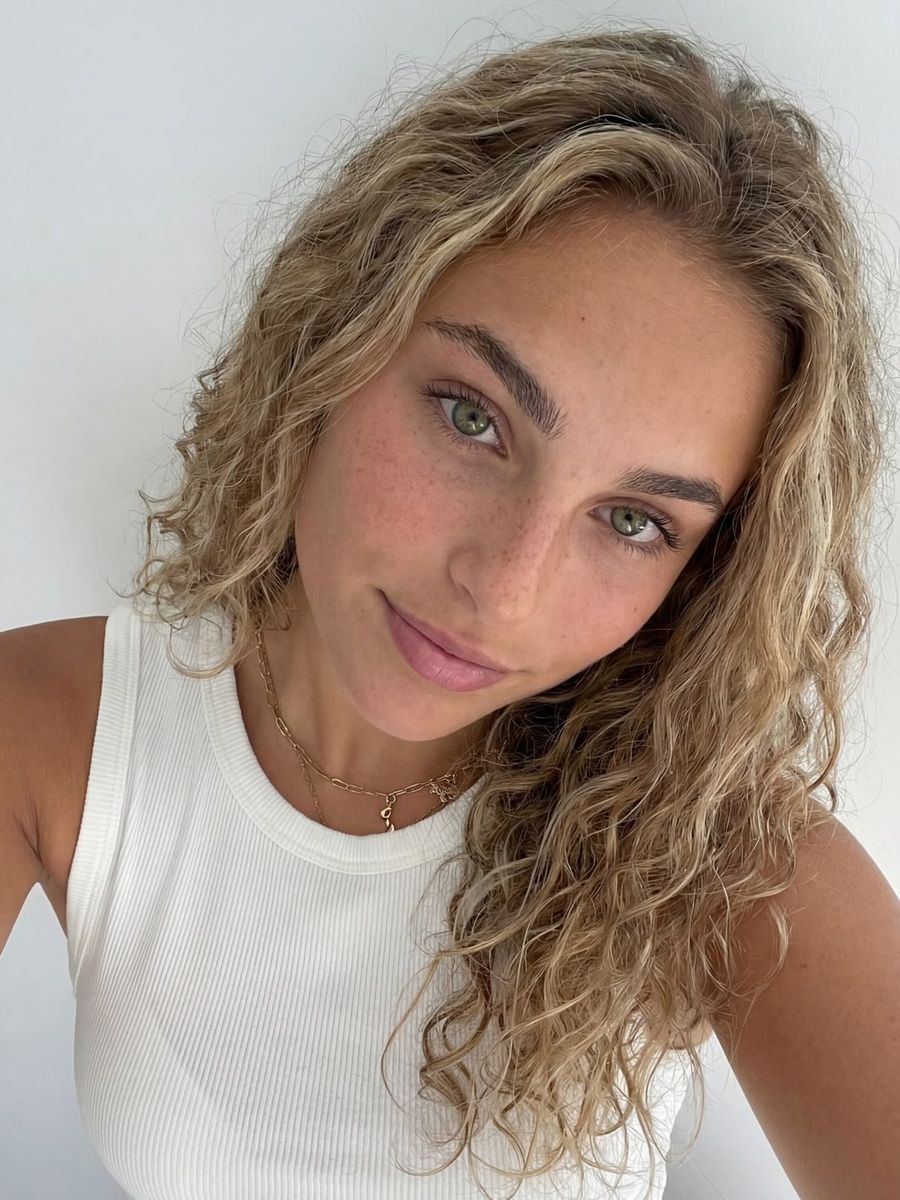
Focal length decides how a face reads in your AI photo: a 24mm wide angle enlarges whatever sits closest to the camera and stretches the face, while an 85mm portrait lens renders facial proportions more naturally and evenly. Name no lens in your prompt and the model picks one for you. Ask for a "selfie" and you get the matching distortion thrown in. Below is what focal lengths do to a face and how to use them deliberately.
What focal length is and what it does to a face
Focal length is the measurement in millimetres that sets how wide your frame is: a small number like 24mm gives a broad angle of view, a large number like 85mm a narrow one. A lens around 50mm roughly matches the angle of view of the human eye, which is why it is called "normal".
Strictly speaking the distortion does not live in the lens, but in your distance to the subject. A wide angle forces you to step close to fill the frame with a face, and it is that short distance which makes the nose and forehead grow relative to the ears.
The size of that effect has been calculated. A selfie taken at about 30 centimetres makes the nasal base appear roughly 30% wider and the nasal tip 7% wider than the same shot at 1.5 metres, the standard portrait distance (Rutgers and Stanford, published in JAMA Facial Plastic Surgery). That gap is exactly what you recognise as the "selfie look" versus the "portrait look".
For your prompt the theory matters less: models were trained on photos that carried lens data, so "85mm portrait" brings the matching distance and compression along with it.
Which focal length for which shot?
Pick the lens that fits the image you want, not the one that sounds best.
- 24mm (wide angle): environments, interiors, full body with plenty of context. Keep faces out of the corners of the frame, that is where stretching is worst.
- 35mm: street photography and environmental portraits. Person plus surroundings, with mild distortion.
- 50mm (normal): neutral, natural look. A safe default for three-quarter and half-body framing.
- 85mm (portrait lens): the classic choice for head and shoulders. Calm facial proportions and a softly blurred background.
- 135mm and longer: strong compression, the background appears to move closer. Great for tight beauty shots.
Rule of thumb: the closer you get to the face, the longer the lens you should name.
How do you put a lens into your prompt?
Name the lens together with the framing and the distance, so the model has less to guess. Three building blocks:
- Lens and framing: "shot on 85mm lens, head and shoulders portrait".
- Distance and height: "photographed from about 1.5 meters, eye level".
- Depth: "shallow depth of field, background softly blurred" for a long lens, or "deep focus, everything sharp" for a wide angle.
Portrait example: "portrait of a woman in a café, shot on 85mm lens, head and shoulders, eye level, shallow depth of field, background softly blurred".
Environment example: "wide 24mm shot of a woman in a busy market, full body, deep focus, lots of surroundings".
Common mistakes
- Asking for a "selfie" and expecting a portrait. Selfie means short distance, and short distance means distortion. If you do not want that look, ask for an 85mm portrait instead.
- Combining a wide angle with a close-up. "24mm close-up of a face" almost always gives you a stretched face. Pick one or the other.
- Naming only a number. "85mm" without framing leaves the composition open; add "head and shoulders" or "half body".
- Choosing a lens that fights your reference. If you work with a persona or reference photo in the photo generator, pick a lens that matches the distance in that reference. Otherwise facial proportions shift and your persona looks less consistent.
Not sure which lens fits your scene? Generate the same prompt a few times changing only the focal length and compare. It is a cheap test that quickly gives you a default you trust. A prompt generator can also write out a full version for you.
Frequently asked questions
Which lens is best for AI portraits?
For head and shoulders, 85mm is the safest choice: natural facial proportions and a calm background. If you want more of the environment in frame, move to 35mm or 50mm.
Does a wide angle distort the face, or is it the distance?
It is the distance. A wide angle forces you close to fill the frame with a face, and that short distance causes the distortion. In a prompt, lens and distance effectively travel together.
Can I change the lens of an existing photo afterwards?
Not really. Perspective is baked into the image. You can use image-to-image in the photo generator to generate a new version with a different lens in the prompt, but that is a new image, not a correction.
Focal length is one of the cheapest dials you can turn: a single word in your prompt changes how a whole face comes across. Choose deliberately, test with a couple of renders, and your portraits get more believable straight away. Create an account and try the same scene at 24mm and at 85mm.