2026-07-12
A cinematic look in AI video: light and framing
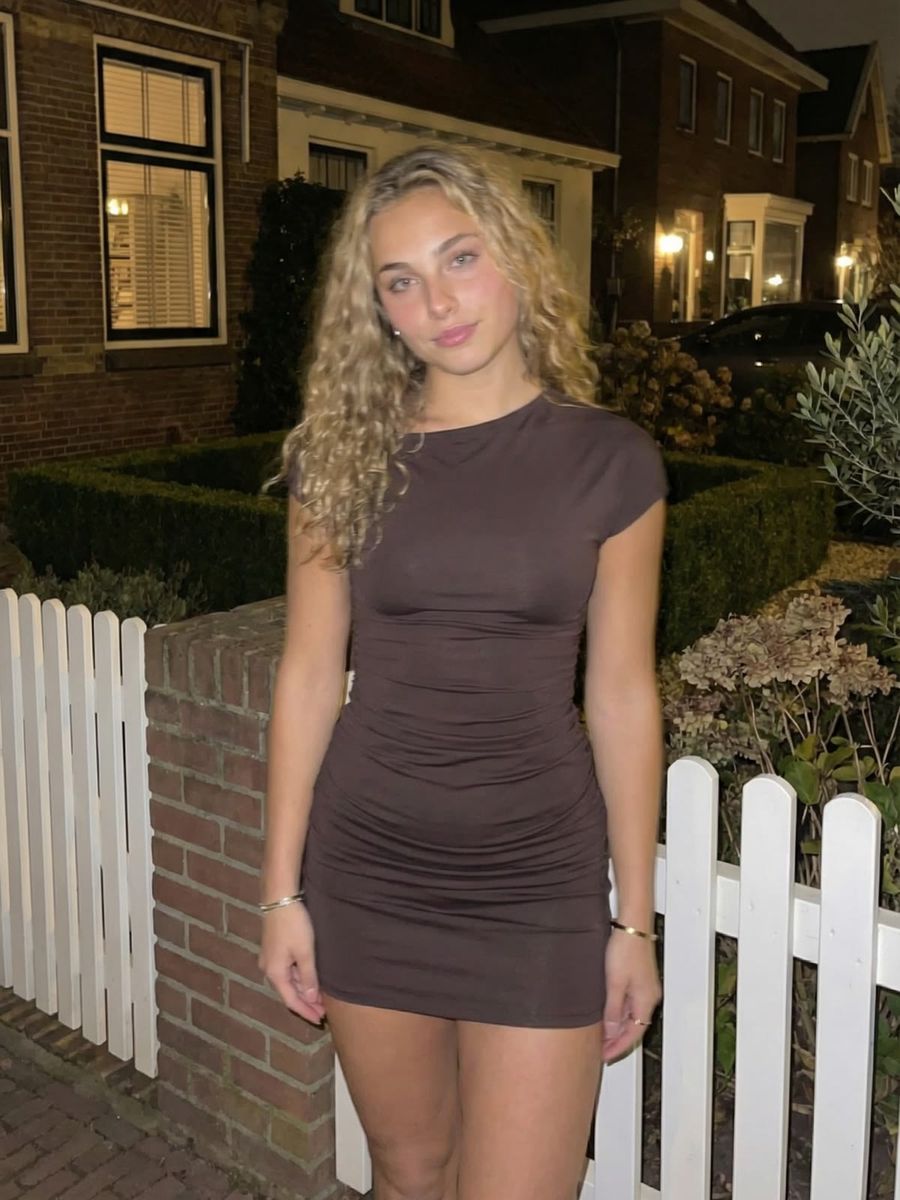
A cinematic look in AI video comes mostly from lighting and composition, not the subject: in your prompt you describe the type of light, the color temperature, the camera angle and the aspect ratio, so the model builds a deliberate frame instead of a neutral shot. The same scene can look flat or cinematic depending purely on how you steer the light and the frame.
Below are the building blocks you can put in your prompt, from three-point lighting to aspect ratio.
What makes an image "cinematic"?
A cinematic image is one where light, color and composition are deliberate choices, not accidents. Where a snapshot lights everything evenly, film uses shadow, direction and a restrained color palette to create depth and mood.
For AI video this means: the more concretely you describe the light and the frame, the more cinematic the result. "Woman in a café" produces a flat shot. "Woman by the window, soft side light, warm tones, shallow depth of field" steers the model toward a cinematic look.
Think in three-point lighting
Three-point lighting is the standard film and photography setup with three light sources: a key light as the main light, a fill light that softens the shadows, and a back light that separates the subject from the background. Together they give a subject shape and depth.
You don't need to place any lamps, but you can use the terms in your prompt:
- Key light: name the direction and hardness, for example "hard side light from the left" or "soft front light".
- Fill light: ask for soft, filled-in shadows for a friendly look, or leave the shadows for drama.
- Back light (rim light): "a bright rim around the hair and shoulders" instantly adds depth.
A single, directional light source (low-key) reads as dramatic; evenly filled light (high-key) reads as clean and commercial.
Choose your color temperature on purpose
Color temperature is the warmth or coolness of light, measured in kelvin (K): low values are warm and orange, high values are cool and blue. That choice sets the entire mood of your video.
As a guideline: midday daylight sits around 5600 K, incandescent or tungsten light around 3200 K, and candlelight between roughly 1000 and 1900 K (according to PremiumBeat). Warm light (low K) feels intimate and nostalgic, cool light (high K) feels crisp, clinical or nocturnal.
Translate this into words in your prompt: "warm evening light at sunset", "cool moonlight", "neon lighting at night". You don't have to name a kelvin value, but it helps to know which mood you're choosing.
Compose your frame: aspect ratio and composition
The aspect ratio determines how cinematic your frame reads. Wide formats read as cinema, vertical formats as social.
- 2.39:1 is the wide cinema ratio (scope), the standard for Hollywood films since the 1970s. Black bars top and bottom give an instant cinema feel.
- 16:9 is the common widescreen for YouTube and TV.
- 9:16 is vertical for Reels, TikTok and Shorts.
On top of that, use the rule of thirds: place your subject not in the center but a third of the way into the frame, and leave some room in the direction they're looking. In your prompt, also mention the camera angle (eye level, low angle) and the depth of field ("shallow depth of field, blurred background") for that typical cinematic look.
Turn it into a single prompt
Build your prompt as a series of deliberate choices: subject, light, color, frame and camera. For example: "Man walking down an empty street at night, cool neon light with warm edges, low camera angle, shallow depth of field, 2.39:1."
Test this in the video generator, or first make a cinematic starting image in the photo generator and bring it to life as video. Because you pay per render, it pays to lock in your lighting and framing choices up front: a more precise prompt means fewer test renders to land on the right look.
Frequently asked questions
How do I give an AI video a cinematic look?
Besides the subject, describe the light (direction and hardness), the color temperature (warm or cool), the aspect ratio and the camera angle. Those four choices make the difference between a flat shot and a cinematic image.
Do I need kelvin values in my prompt?
No, that isn't necessary. Words like "warm evening light" or "cool moonlight" work fine. The kelvin scale mainly helps you understand which mood reads as warm or cool.
Which aspect ratio is the most cinematic?
The wide scope ratio 2.39:1 reads most like cinema. For social use 9:16, for YouTube 16:9. Choose the ratio based on where you'll post the video.
Ready to make your first cinematic clip? Create an account and steer your light and frame on purpose.