2026-08-31
Controlling how much AI changes your photo
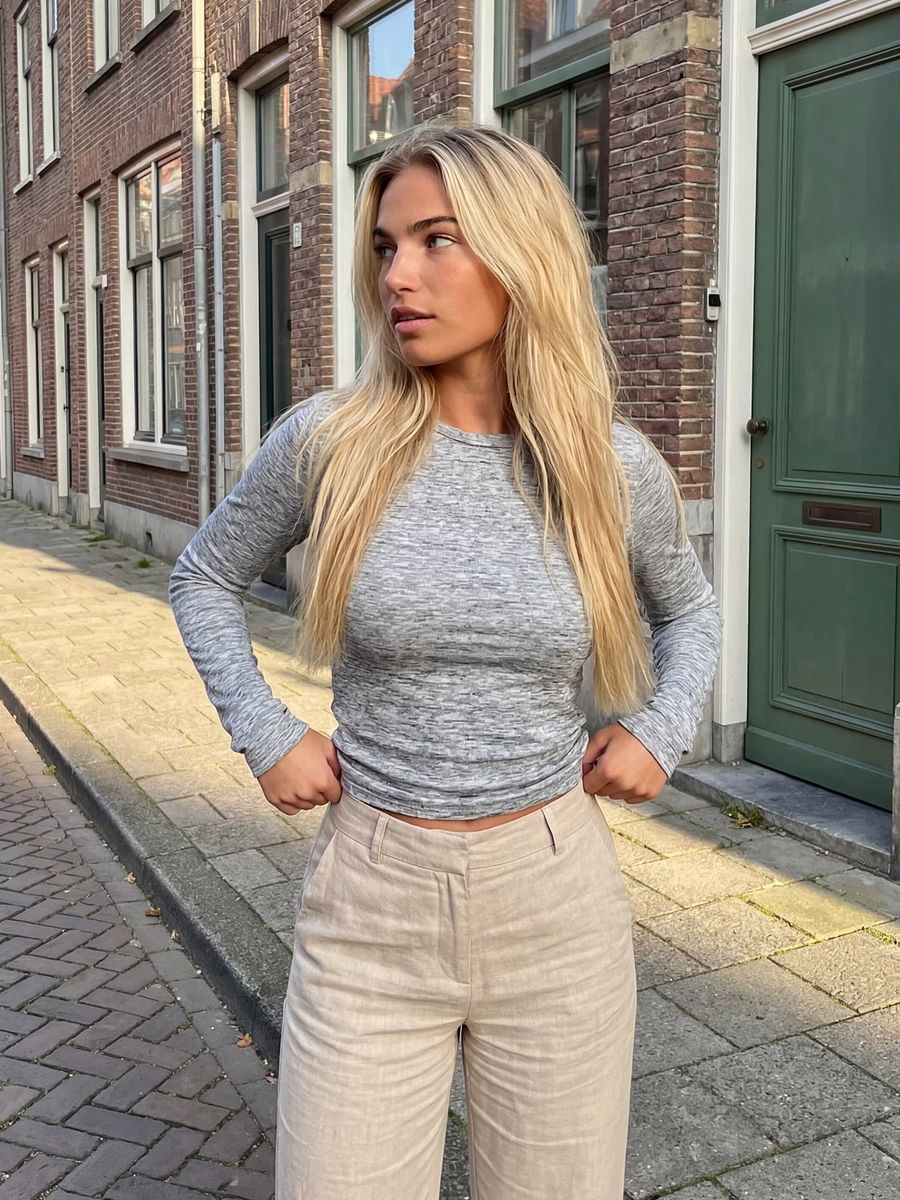
Denoising strength (called "strength" or "change amount" in many tools) is the dial that decides how much the AI alters your source photo: at a low setting your original stays almost intact, at a high setting the model nearly ignores your photo and draws a new image from your prompt. If you work with image-to-image or inpainting, this is the setting that makes or breaks your result. Too high and your subject disappears, too low and nothing changes.
What denoising strength actually does
Denoising strength is a value between 0 and 1 that sets how much noise the model lays over your image before it redraws it. At 0 your photo is left untouched; at 1 your original is treated as pure noise and only your prompt still counts.
Under the hood, that value decides how many steps the model actually regenerates. According to the diffusers library documentation (Hugging Face), a strength of 0.8 at 50 steps means the model adds 40 steps (50 × 0.8) of noise and then denoises those 40 steps back into an image. The higher the value, the more of your original gets overwritten. That is also the rule of thumb for reading the dial: it is the balance between keeping and remaking.
Which setting fits each task?
Pick the lowest setting that gets the job done, and only raise it when too little changes. As a rough guide for image-to-image:
- 0.2 to 0.35 — subtle. Small corrections, light color tweaks, a filter or hint of style, while the face, pose and composition stay recognizable.
- 0.45 to 0.65 — moderate. Clearly restyling or shifting the mood, with the layout of your source still intact.
- 0.7 and up — heavy. Big rewrites. From here your image drifts away from the original fast, and you are working almost as if generating from text.
Keep the rest of your settings fixed while you test this dial, otherwise you won't know which change made the difference.
Denoising strength in inpainting
In inpainting the same dial applies, but only inside your mask. You mark an area, and denoising strength decides how freely the AI refills that patch.
A low setting largely keeps the shape and light of the masked area: handy for recoloring something, swapping a material or touching up a detail. A high setting refills the mask more freely, which you need when you actually want to replace an object with something else. Outside the mask your photo stays untouched, so you can steer one spot precisely.
Why your result changes too much or too little
Is too much changing, losing the face or the composition? Set denoising strength lower. The model got too much room to redraw.
Is too little changing, even though your prompt clearly asks for something else? Then you have two dials: raise the denoising strength, or make your prompt more concrete so the model knows what to change. Usually a small step of 0.1 is enough to find the tipping point.
Because the right value differs per photo and per model, the smartest place to test it is a budget-friendly model. Run two or three settings side by side, pick the best, and only render that one on your premium model. That way you pay per render only for the version you actually use.
Frequently asked questions
What is denoising strength in short?
It's the value between 0 and 1 that decides how much the AI changes your source image. Low keeps your original, high redraws most of the image from your prompt.
What value is a good starting point?
For a visible but safe adjustment, around 0.5 often works well. For light touch-ups start lower (around 0.3); for a big change go higher (0.7 or more).
Why isn't my face staying consistent?
Denoising strength is probably set too high, so the model reinvents the face. Lower the value step by step, or use a reference photo to hold the identity.
Is this dial named the same everywhere?
No. You'll see "denoising strength", "strength", "change amount" and "how much of the original to keep". The principle is always the same: the higher it is, the more the AI changes.
Denoising strength is the fastest dial for getting a grip on image-to-image and inpainting. Want to build the feel for it? Create an account and test a few settings side by side in the photo generator or the photo editor.