2026-09-24
Everything sharp in your AI photo: deep focus
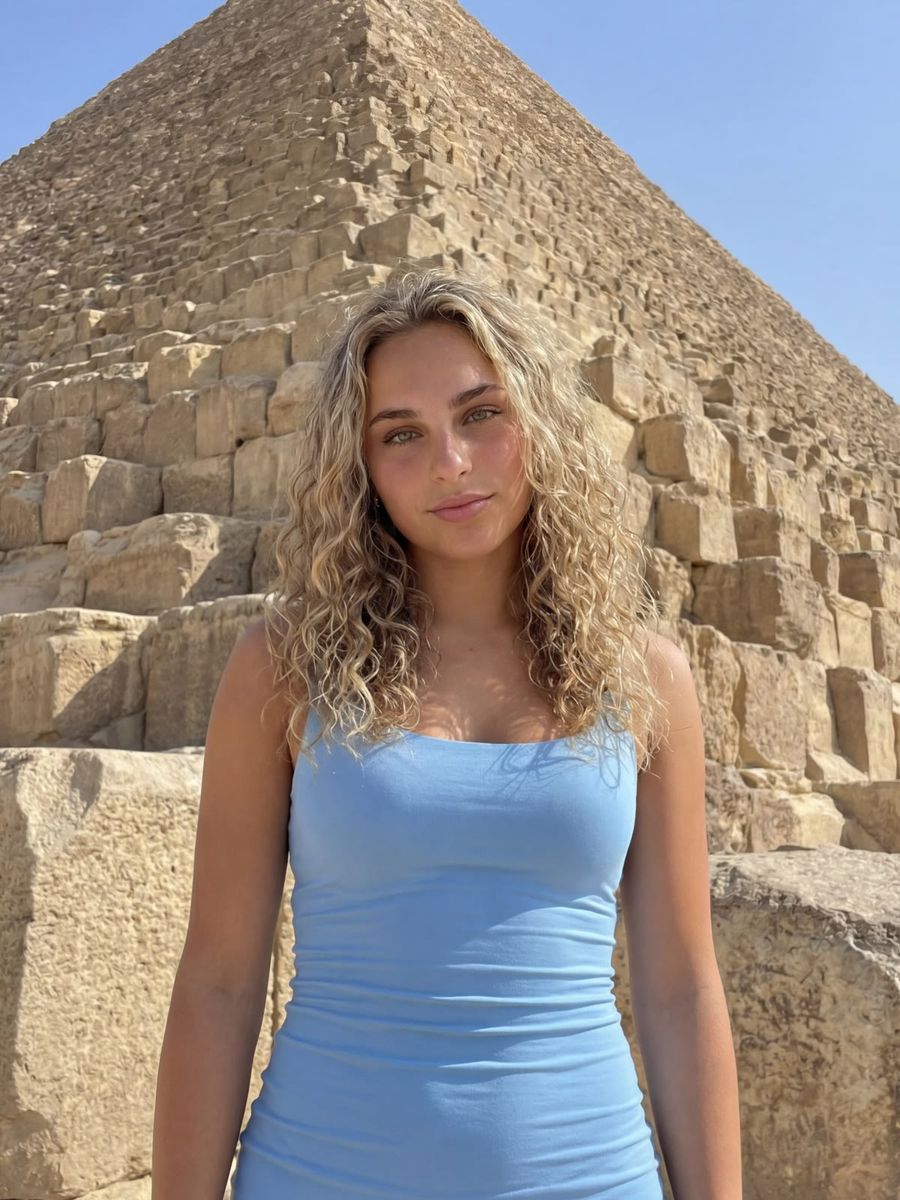
Deep focus is the look where your whole photo is sharp, from the foreground all the way into the distance, and with AI you call it up by describing it rather than forcing it in the lens. A photographer often needs several shots to get there, while you steer it with a few precise words in your prompt. Below you'll read what deep focus and focus stacking actually are, why a camera can't manage it in one click, and how to steer the look in your AI image.
What are deep focus and focus stacking?
Deep focus means the foreground, middle ground and background are all sharp in the frame. Nothing dissolves into a blur, every plane carries information.
Focus stacking is the photographic technique used to achieve that sharpness. You take several shots, each focused at a different distance from the nearest point to the farthest, and combine them into one image with more depth of field than any single frame.
In short: deep focus is the look, focus stacking is the method from photography. Landscape, product and macro photographers use stacking the most, because that's exactly where near and far need to be sharp at the same time (according to StudioBinder).
Why a camera can't get everything sharp in one shot
A regular camera rarely gets a deep scene fully sharp in a single shot, because a small aperture comes at a cost. A higher f-number gives more depth of field, but lets in less light and causes diffraction, which actually softens the image.
According to Photography Life, that diffraction is barely noticeable at f/11, but becomes clearly visible at f/16 and f/22. The sharpest zone of most lenses sits between f/5.6 and f/11. So anyone stopping down to f/22 to get everything sharp is quietly giving up sharpness. That's why photographers prefer to stack several sharp shots rather than close the aperture to the extreme.
That the look itself tells a story was proven by Citizen Kane (1941). Cinematographer Gregg Toland kept both the foreground and background sharp, so two things could play out at once in a single shot: someone in the foreground and an action in the distance at the same time.
How do you steer deep focus in an AI photo?
An AI model isn't bound by diffraction or light, so it can render everything sharp at once, but you have to ask for it explicitly. Without guidance, many models default to a nice, blurry background, the familiar portrait look.
- Name the look directly: "deep focus", "everything sharp front to back", "large depth of field".
- Describe both the foreground and the background concretely, so the model takes both planes seriously.
- Add a small-aperture hint if your model responds to photographic terms, for example "f/16 look" or "landscape depth".
- Avoid words that invite blur: "bokeh", "shallow depth of field", "85mm portrait lens" or "f/1.4". Those pull the model toward a blurry background.
Test this first on an affordable model in the photo generator before you do a premium render. Is part of the image still soft? Regenerate with sharper background detail, or fix that one zone with the photo editor.
When do you actually not want deep focus?
Deep focus isn't always the best choice, because sometimes you want a blurry background that lifts your subject off it. The rule of thumb: choose deep focus when the whole scene carries information, and blur when you want attention on a single point.
Deep focus wins for:
- Product photos and packshots where the entire product must be sharp.
- Webshop images, landscapes and flat lays.
- Group or street scenes where the surroundings matter.
A blurry background wins for a portrait where only the face should stand out. Choosing on purpose is the point, not defaulting to everything sharp or everything soft.
Frequently asked questions
What's the difference between deep focus and focus stacking?
Deep focus is the look where everything is sharp, focus stacking is the photographic technique (combining several shots) used to achieve it. In AI you don't need stacking, you describe the look in your prompt.
Why is my AI background blurry when I want it sharp?
Many models fall back on a portrait look with a blurry background. Ask explicitly for "deep focus" and "large depth of field", and leave out terms like bokeh or f/1.4.
Which photos benefit from deep focus?
Mostly product, webshop, landscape and flat-lay images, where the whole scene needs to be sharp and readable. For a portrait, a blurry background often works better.
Deep focus is ultimately a choice, not a default: decide per image whether the whole scene matters or whether you want to highlight a single point. Create an account and test both looks on your own subject.