2026-06-29
How to write better prompts for AI photos
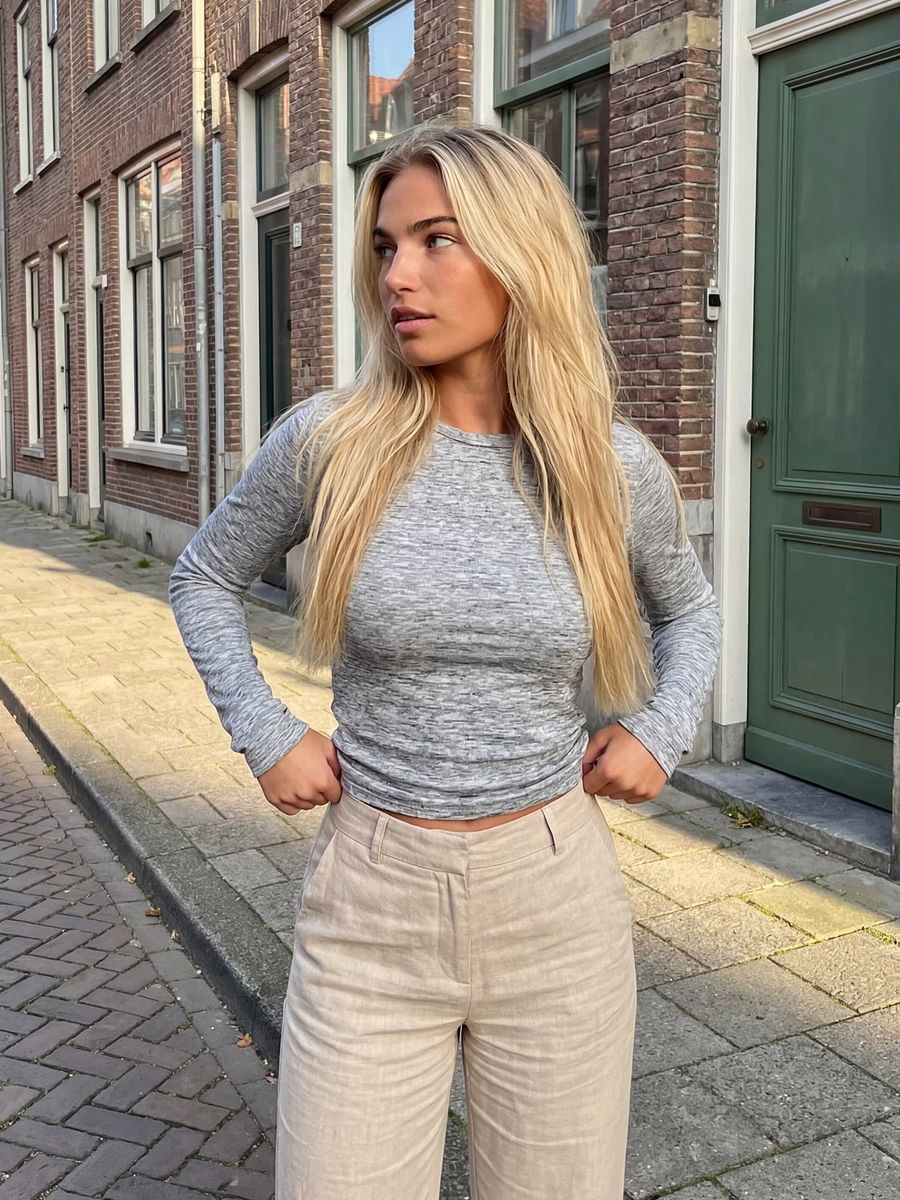
A good AI photo doesn't start with the model, it starts with your prompt. Give the same generator a vague sentence and you get a mediocre picture; give it a well-thought-out description and you get a sharp, believable image. The good news: a strong prompt follows a fixed pattern you can pick up in a few minutes.
Build your prompt in layers
The easiest way to forget nothing is to work with fixed building blocks. Describe from big to small:
- Subject: who or what, with concrete details (age, hair, clothing, gaze)
- Environment: where and when, plus the mood (time of day, weather, location)
- Lighting: the source, the direction and the quality
- Camera: angle, lens and depth of field
- Style and mood: the look you have in mind
- Detail: quality words such as sharp skin texture
Compare "a woman on the street" with "a woman in her early 30s, shoulder-length dark blonde hair, beige linen blazer, looking straight into the lens, narrow street in the evening". The more concrete you are, the less the AI fills in on its own.
Lighting makes or breaks your photo
Lighting is the single biggest factor in whether an image looks real. Say nothing about it and the model usually picks flat, even light: faces evenly lit, little contrast, little depth. That's exactly the look that gives away "AI".
So always describe the light source and the direction. "Warm evening light from the left, soft shadow on the right" gives a livelier, more believable result than a prompt with no lighting instruction at all.
Think like a photographer
Photorealism comes largely from camera details. Name an angle and a lens, for example a portrait with an 85mm lens and a shallow depth of field for a soft background, or a wide shot to show the surroundings.
Mind your composition too. Don't park your subject in the dead center; follow the rule of thirds for a more natural, dynamic frame.
Say what you don't want as well
Hands, fingers and faces are where AI goes wrong most often. So spell out what you want to avoid, such as deformed hands, extra fingers or waxy, over-smoothed skin.
Want real skin? Ask for natural detail: visible pores and small imperfections prevent that plastic look. If your model supports a separate negative prompt, put the exclusions there; if not, weave them briefly into your description.
Test, compare and adjust
A prompt is rarely right on the first try. Change one thing at a time, lighting, lens or clothing, so you see exactly what makes the difference.
- Start with the six building blocks and generate a first batch.
- Pick the strongest image and tweak a single element.
- Use a successful photo as a reference (image-to-image) for a new scene in the same style.
Don't feel like writing from scratch every time? The AI Prompt Generator turns your idea into a complete prompt with scene, lighting and composition, ready for the AI Photo Generator.
Ready to put your prompts to the test? Create an account and see how much sharper your images get.