2026-09-15
Atmospheric perspective in AI photos: depth through haze
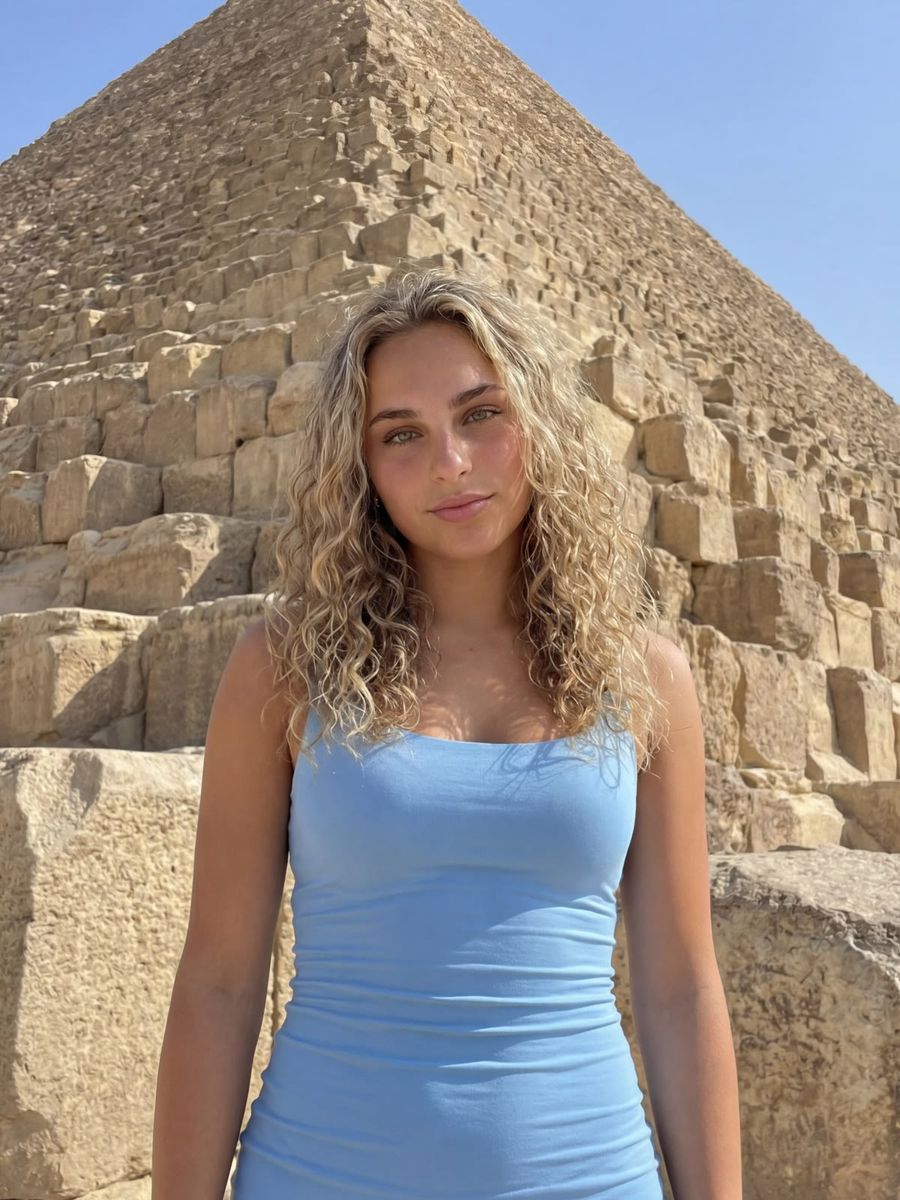
Atmospheric perspective is the effect where distant objects turn lighter, bluer and softer than nearby ones, which is how your eye reads depth in a flat image. AI models often render the background just as sharp and saturated as the foreground, which makes your landscape look flat, like separate cardboard cut-outs stacked behind each other. Name the effect on purpose in your prompt and your scene instantly gains space and depth.
What exactly is atmospheric perspective?
Atmospheric perspective, also called aerial perspective, means the layer of air between you and an object makes that object lighter, bluer and lower in contrast the further away it sits. Leonardo da Vinci coined the term (prospettiva aerea) and summed it up in one practical rule: if you want something to look five times as distant, make it five times bluer (from his notebooks on painting).
The physics behind it is Rayleigh scattering: air molecules scatter short, blue light far more strongly than long, red light, roughly in inverse proportion to the fourth power of the wavelength. That is why the atmosphere lays a bluish veil over everything far away, the same effect that makes the sky itself look blue. For your image it means one thing: the further away, the paler, bluer and softer.
Why does your AI landscape look flat?
Your AI landscape looks flat because the model often renders the distance just as sharp, dark and saturated as the foreground. Without the tonal fall-off your eye expects, your brain reads every layer at the same distance and you get that classic "pasted on" look: a bright green mountain range that hits your eye as hard as the bush in the foreground.
Don't confuse this with depth of field. Depth of field is optical blur from the lens and the focus point. Atmospheric perspective is a shift in tone and colour caused by the air, and it applies even when everything is in sharp focus. A distant mountain can be razor-sharp and still pale and bluish, because there are kilometres of air in between.
How do you steer it in your prompt?
Name the effect directly and describe your scene in layers. AI models know the term "atmospheric perspective" and the look that goes with it, so spell out how the background should differ from the foreground. If you're working in the photo generator, you can fold this straight into your description.
- Name the effect: "atmospheric perspective", "aerial perspective" or "distant haze".
- Think in three layers: a sharp, saturated foreground, a midground and a paler, bluer background.
- Describe the distance concretely: "distant mountains fading into blue haze", "layered ridgelines", "hazy skyline with lower contrast".
- Tie it to the light: a warm foreground against a cool, misty background strengthens the depth.
An example line: "wide landscape, sharp detailed foreground rocks, rolling hills receding into pale blue atmospheric haze, layered mountain ridges, soft low-contrast background."
When should you overdo it, and when not?
Match the strength to distance and weather, or it stops being believable. On a clear, dry day the effect is subtle and the distance stays fairly sharp; with humidity, heat or great distances the veil grows strong and far layers almost dissolve into the sky. Ask for heavy haze in a compact scene with no real depth and it reads as dirt instead of space.
The effect isn't only for landscapes. In a cityscape (distant buildings fading out), a street scene, or even a portrait, a slightly paler, less saturated background helps pull your subject forward. Keep it subtle in portraits: a light knock-down of the background is enough to suggest depth without drawing attention.
Frequently asked questions
Is atmospheric perspective the same as depth of field?
No. Depth of field is optical blur from the lens and focus point, while atmospheric perspective is a shift in tone and colour caused by the air. They work together, but you can have a sharp distance that is still pale and bluish.
Does this only work for mountains and landscapes?
No. It works anywhere you want to suggest depth over distance: cityscapes with buildings fading out, a street running into the distance, or a portrait with a subtly muted background that makes your subject stand out.
Which words do I put in my prompt?
Use "atmospheric perspective" or "aerial perspective" together with concrete descriptions like "distant hills fading into blue haze", "hazy layered skyline" and "lower contrast and desaturation in the background". That tells the model the background should deliberately differ from the foreground.
Depth often lives not in more detail, but in the right loss of it. Want to try it on your own scenes? Create an account and build your landscape layer by layer.