2026-07-31
AI group photos: multiple people that actually work
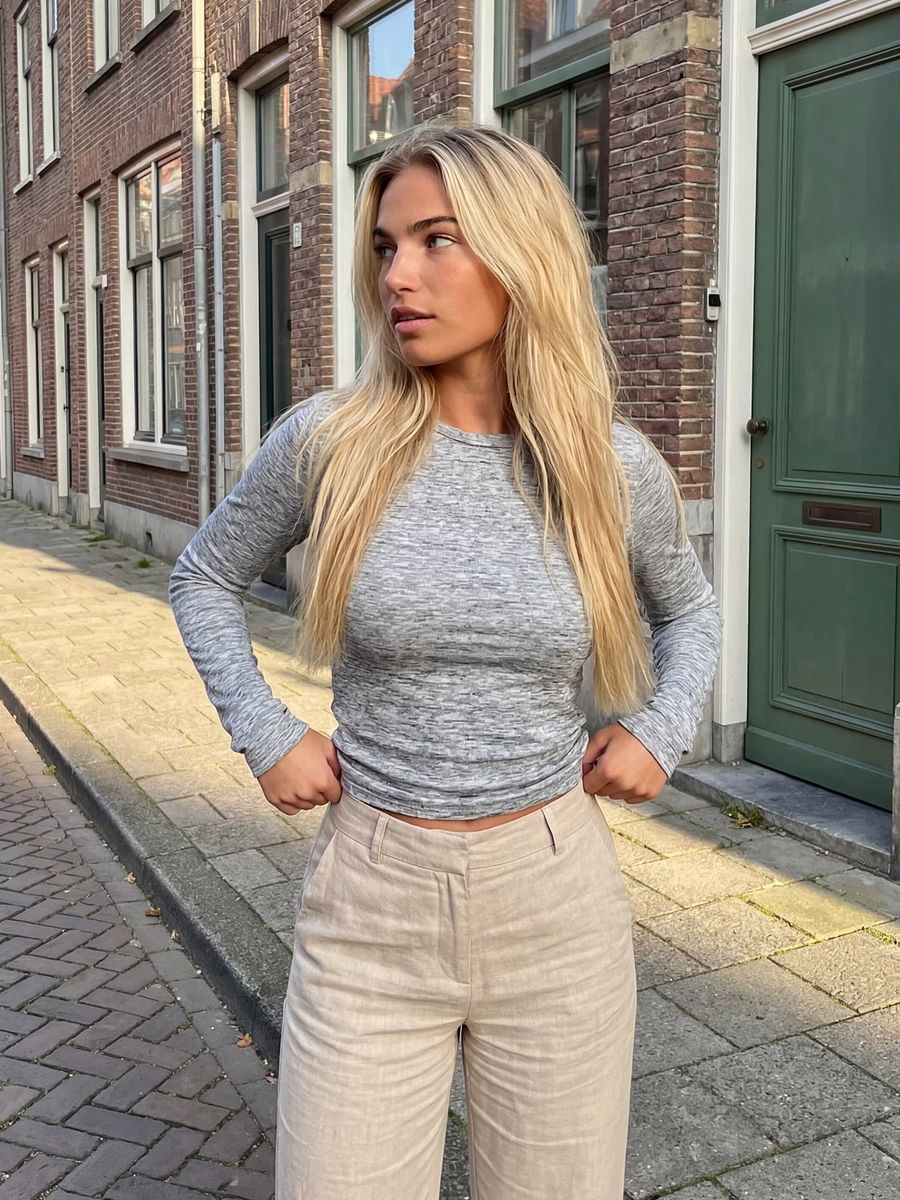
You make a believable AI group photo by keeping the group small, giving each person their own reference and building larger groups up in steps instead of cramming everyone into a single prompt. The hard part about multiple people is that the model has to place the idea of "person" over and over. Without something to hold on to, faces merge, extra arms appear, or the count is off. A few choices up front prevent most of that.
Why a group photo so often goes wrong
Group photos go wrong because an image model builds each face and body separately, without truly understanding that these are separate people. It repeats the concept of "person" and lets details bleed together: two faces that fuse, a hand with too many fingers, or four people when you asked for three.
Research into the counting ability of image models shows they only reach the right number fairly reliably within the "subitizing range", roughly four objects; beyond that, the count often lands far from what you asked for (Visual Enumeration Remains Challenging for Multimodal Generative AI, 2024). Four is not a coincidence, but roughly the line where things usually still hold up.
Keep the group small and name the exact number
The safest group photo stays within about four people and names that number explicitly in the prompt. Write "three women side by side", not "a group of women". A vague "group" lets the model pick a number itself, usually the wrong one.
Describe the placement too, because that separates the people:
- Order: "from left to right: ..., ..., ..."
- Rows: "two people in front, one behind"
- Distance: don't let people fully overlap
The more clearly you pull the people apart, the less they bleed into each other.
Give each person their own reference
If you want recognisable, distinct faces, give the model a reference image per person instead of leaving everything to text. In the photo generator you use image-to-image to feed in a face or look as a base, so a person stays consistent and clearly differs from the rest.
If you work with a fixed persona or AI influencer, you hold that identity in place with the same reference in every image. Several strong references separate people more reliably than one long description like "person A wears red, person B wears blue". Models still frequently swap attributes between people, so that person A suddenly ends up in person B's jacket.
Build larger groups up in steps
If you need more than four people, build the image up in steps rather than in one render. Two routes work well:
- Generate the scene with part of the group first, then add people in a targeted way. With Swap Studio you place one person at a time into a scene, so each face gets separate attention.
- Generate wide and at high resolution, so each face has enough pixels to hold up. A small face far in the frame is exactly where details break down. If you need more detail, upscale afterwards with the image upscaler.
Repair merged faces and duplicate limbs
If you get a strong image with one wrong face or an extra hand, don't throw it away but repair only that part. With inpainting you select the problem area and regenerate only that, face by face. That is faster and cheaper than rerendering the whole group, and you keep the part that already works.
Check the usual spots: overlapping hands between two people, one arm too many in the back, and faces that have started to look alike.
Frequently asked questions
How many people can AI reliably put in one image?
Up to about four people usually works, because that is the limit within which image models still reach the count fairly well. For larger groups it's better to build the image up in steps.
Why do faces merge in an AI group photo?
The model builds each face separately without truly separating who is who, and lets features bleed together. Separate references per person and inpainting afterwards fix most of this.
How do I keep everyone recognisable?
Give each person their own reference image, name the number and the placement explicitly, and generate at high resolution so each face gets enough detail.
What does a group photo cost?
You pay per render, with no subscription. Because you work in steps and only touch up mistakes with inpainting, you stay in control of the cost.
A good group photo is mostly a matter of build-up: start small, steer per person and repair mistakes in a targeted way. Create an account and try your first group scene.